
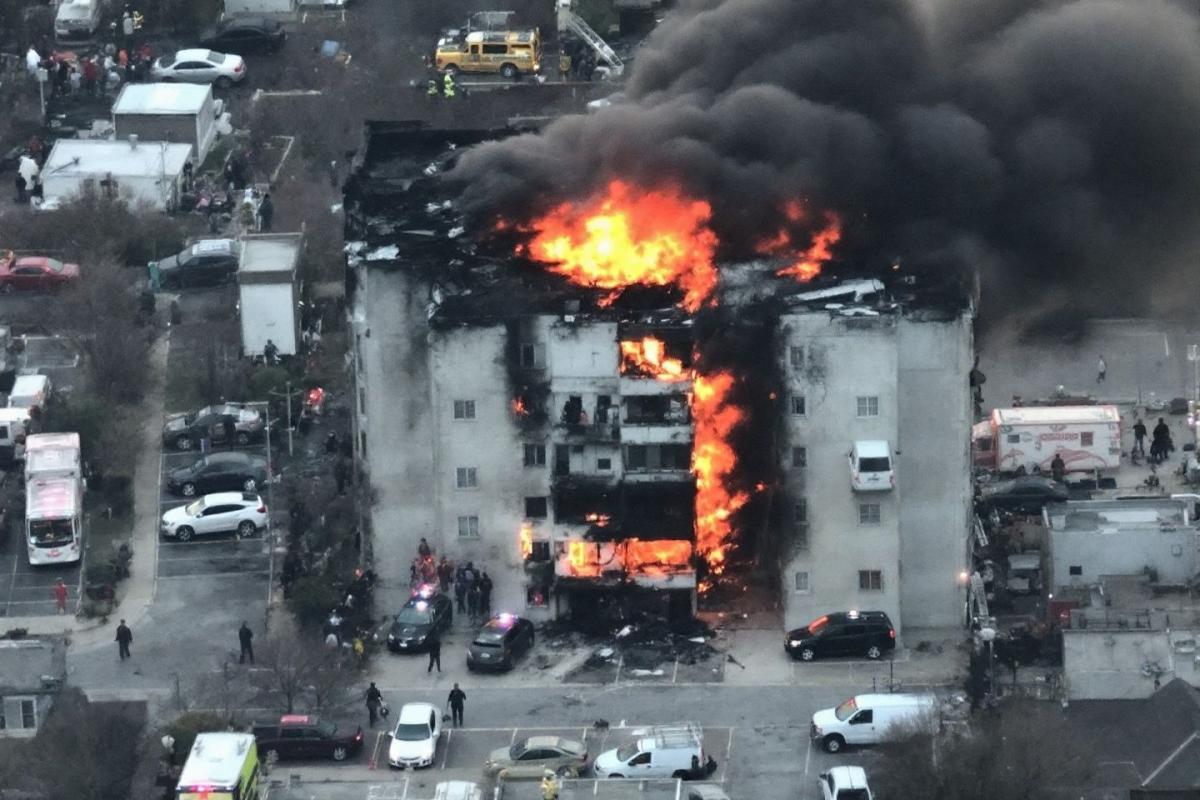
In a shocking development at Stonehenge Apartments in Warner Robins, Georgia, residents displaced by a devastating fire are reportedly being charged rent despite their homes becoming uninhabitable. Several families have come forward with their stories, expressing frustration and disbelief at management’s actions following the catastrophic event that left them homeless.
Displaced tenants face continued billing after apartment fire
The recent fire at Stonehenge Apartments has left multiple families without homes and possessions, yet some report they’re still receiving rent bills. Ashley McCormick, a mother of three who had only resided in the complex for two weeks before the disaster, shared her heartbreaking experience with local media.
“We lose everything. That’s not fair to us at all,” McCormick stated, currently living in a hotel with her family. “We should get some type of assistance from the property management, but instead, they’re demanding payment for an uninhabitable unit.”
This practice appears to contradict Georgia state law. According to Georgia Code 44-7-15, tenants aren’t typically required to continue paying rent when their rental unit becomes uninhabitable due to fire, particularly when they bear no fault for the incident.
McCormick described mixing emotions of hurt and anger while trying to maintain composure for her children, who lost their belongings including video games and personal items. The apparent lack of support from management has only intensified her distress.
Another resident, Myeisha Ash, reported a similar experience with her family also receiving rent bills after losing their home. “They were still trying to give us a hard time,” Ash explained. Her family ultimately needed to seek legal intervention to resolve the billing issue, after which the apartment complex eventually refunded their money.
Legal protections for fire victims in Georgia rental situations
When examining tenant rights in Georgia, state law provides specific protections for those affected by disasters like the Stonehenge Apartments fire. These legal safeguards become crucial when property managers attempt to collect rent for uninhabitable dwellings.
Georgia’s rental codes specifically address situations where properties become unusable through no fault of the tenant. The relevant statute protects renters from continuing financial obligations when they cannot physically occupy their homes due to fire damage.
Some key provisions under Georgia rental laws include:
- Release from rent obligations when units become uninhabitable
- Right to immediate lease termination following major damage
- Entitlement to security deposit returns in disaster situations
- Protection from charges for damaged property not caused by tenant negligence
Despite these legal protections, tenants often find themselves fighting uphill battles against management companies unwilling to honor these rights. The experience of Stonehenge residents highlights the importance of knowing tenant rights and being prepared to assert them following catastrophic events.
Legal experts recommend affected tenants document all communication with property management, photograph damage, and maintain records of all expenses incurred due to displacement. These records can prove invaluable when seeking resolution through legal channels.
Insurance complications compound tenant struggles
Adding to their difficulties, several Stonehenge residents discovered troubling information about their insurance coverage. Many tenants reported that their renters’ insurance was included in monthly rent payments, creating an assumption of personal property protection.
However, after the fire, these same residents were informed that this coverage was designated for complex liability rather than their personal belongings. This revelation left many families with no financial recourse for replacing essential items lost in the blaze.
The confusion regarding insurance coverage appears to stem from unclear communication during the leasing process. When tenants see insurance charges on their statements, most reasonably assume this provides protection for their possessions.
| Common Tenant Misunderstandings | Actual Coverage Reality |
|---|---|
| Renters insurance covers personal belongings | Complex-included insurance may only cover building liability |
| Management will provide emergency housing | Displaced tenants often must arrange own accommodations |
| Rent stops immediately after unit becomes uninhabitable | Some management companies continue billing until formally challenged |
Insurance experts recommend that all renters obtain their own personal property insurance policies rather than relying solely on coverage included in lease agreements. An independent policy typically costs between $15-30 monthly but provides crucial protection during disasters.
Taking action against improper rental charges
For those Stonehenge tenants and others facing similar situations, several avenues exist to contest improper rental charges following disasters. Understanding these options empowers residents to protect their financial interests during already challenging times.
Myeisha Ash’s experience demonstrates the potential effectiveness of seeking legal assistance when facing unwarranted charges. Her family successfully obtained a refund after bringing legal representation into discussions with management.
Steps tenants can take when improperly charged include:
- Send formal written notification citing Georgia Code 44-7-15
- Contact local tenant advocacy organizations for support
- File complaints with consumer protection agencies
- Consult with legal aid services if unable to afford private representation
- Document all communication with property management
Community resources often exist to support disaster victims, including emergency housing assistance programs and legal aid services specializing in tenant rights. Local government offices can typically direct affected residents to appropriate support services.
As of May 3, 2025, Stonehenge Apartments management has not issued any public statement addressing tenant complaints or explaining their billing practices following the fire. This silence has further frustrated affected families seeking resolution and support during their displacement.
For Warner Robins residents currently renting, this situation serves as a powerful reminder to thoroughly review lease agreements, understand insurance coverage limitations, and familiarize themselves with state tenant protection laws before emergencies occur.

- Once-extinct European wildcats set to make a comeback in England - September 21, 2026
- Joe Salisbury takes break from tennis due to anxiety struggles - September 20, 2026
- Andy Haldane slams Budget 2025 for repeated policy mistakes - September 19, 2026

