
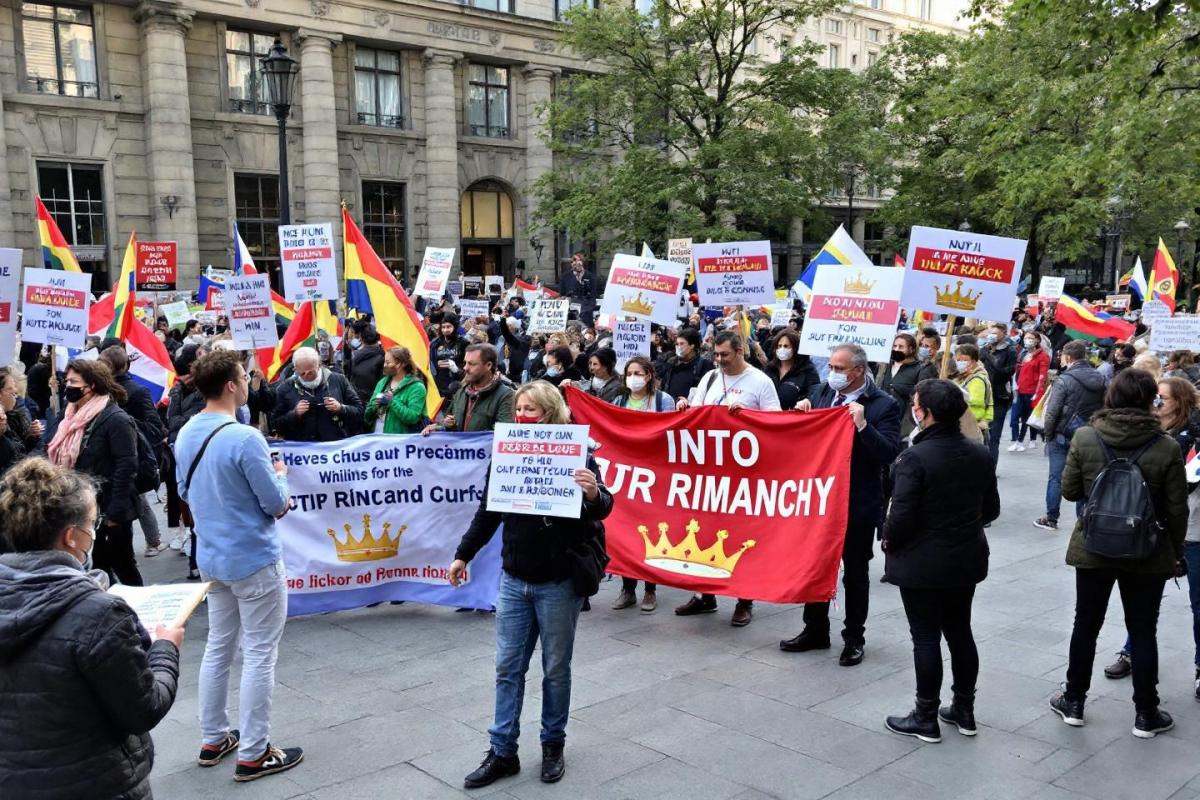
On a warm Saturday afternoon, hundreds of passionate citizens assembled at Salisbury City Park, joining thousands across America in the nationwide “No Kings” protest movement. This significant gathering reflected growing concerns about President Donald Trump’s administration and its effects on Eastern Shore communities. The demonstration brought together diverse voices expressing their collective frustrations with current policies and governance approaches.
Nationwide protest movement reaches Salisbury
The Salisbury City Park demonstration represented just one location among thousands participating in the coordinated “No Kings” protests sweeping across the United States. Participants arrived early Saturday afternoon, carrying signs and wearing t-shirts emblazoned with messages challenging presidential authority and policies. The crowd’s energy reflected the broader national sentiment driving these simultaneous protests.
Local resident Marsha Connelly explained her participation: “We’re here because we believe in democracy, not autocracy. The ‘No Kings’ movement stands for maintaining checks and balances in our government.”
These nationwide demonstrations emerged in response to what protesters describe as concerning trends in presidential power. The movement’s name itself—”No Kings”—directly references American democratic principles that reject monarchical or authoritarian leadership styles. Protestors consistently emphasized this connection between historical American values and their current grievances.
The protest movement’s coordinated approach allowed participants in Salisbury to feel connected to a larger national conversation while addressing specific local concerns. Several Salisbury University students attended the rally, bringing campus perspectives on national politics to the demonstration.
Eastern Shore concerns take center stage
Many protestors specifically highlighted how Trump administration policies have impacted Eastern Shore communities. Environmental regulations, economic policies, and immigration enforcement approaches were frequently mentioned as particularly problematic for the region.
Local fisherman James Harwood detailed his concerns: “Changes to environmental protections directly affect our livelihoods here on the Shore. The bay’s health means everything to our economy and way of life.”
The demonstration featured several Eastern Shore community leaders who addressed the crowd about regional impacts. Their speeches outlined specific effects of federal policies on:
- Agricultural subsidies and tariffs affecting local farmers
- Healthcare access in rural Eastern Shore communities
- Environmental regulations impacting the Chesapeake Bay watershed
- Immigration enforcement affecting seasonal workforce availability
Dr. Eleanor Michaels, a local economist, noted: “Our region faces unique economic challenges that require nuanced policy approaches. Many federal decisions fail to consider rural coastal communities like ours.”
The protest highlighted how national politics increasingly influences local concerns, with participants expressing frustration about feeling overlooked in broader political conversations.
Voices from the crowd share their motivations
WMDT reporter Brian Roche interviewed numerous participants about their reasons for joining the protest. These conversations revealed diverse motivations united by common themes of democratic values and concern for governance.
| Protester Name | Primary Concern | Years Politically Active |
|---|---|---|
| David Mullins | Executive overreach | 15 |
| Sarah Jenkins | Environmental policy | 8 |
| Michael Rodriguez | Immigration enforcement | 3 |
| Rebecca Chen | Healthcare access | 10 |
“I’ve never protested before,” admitted 64-year-old Salisbury resident Thomas Warren. “But something feels different now. I worry about the direction our government is taking and what it means for my grandchildren.”
College students, retirees, working professionals, and families with children all participated in the demonstration, creating a multi-generational gathering united by shared concerns. Many expressed that this was their first time participating in political demonstrations, suggesting the movement has mobilized previously uninvolved citizens.
Local teacher Andrea Simmons explained: “I’m here because I teach civics and American history. I want my students to understand that democratic participation extends beyond voting to include peaceful assembly and expression.”
Looking forward after the demonstration
As the afternoon progressed, organizers discussed next steps for channeling the demonstration’s energy into sustained civic engagement. Several speakers emphasized the importance of continuing momentum beyond the single protest day.
The demonstration concluded with announcements about upcoming town halls, voter registration drives, and community forums designed to address concerns raised during the protest. Organizers distributed information about contacting elected officials and participating in local government meetings.
WMDT’s Brian Roche will provide additional coverage of the protest and its aftermath in an upcoming broadcast scheduled for Monday. His report promises to include interviews with both participants and local officials responding to the demonstration’s messages.
Community organizer Darius Williams summed up the day’s significance: “Today isn’t just about opposing policies—it’s about affirming what kind of governance we want. The ‘No Kings’ protest reminds us that power ultimately belongs with the people, not with any single leader.”
As protesters dispersed from Salisbury City Park, many expressed determination to transform their demonstration into meaningful civic action in the weeks and months ahead.

- Once-extinct European wildcats set to make a comeback in England - September 21, 2026
- Joe Salisbury takes break from tennis due to anxiety struggles - September 20, 2026
- Andy Haldane slams Budget 2025 for repeated policy mistakes - September 19, 2026

