
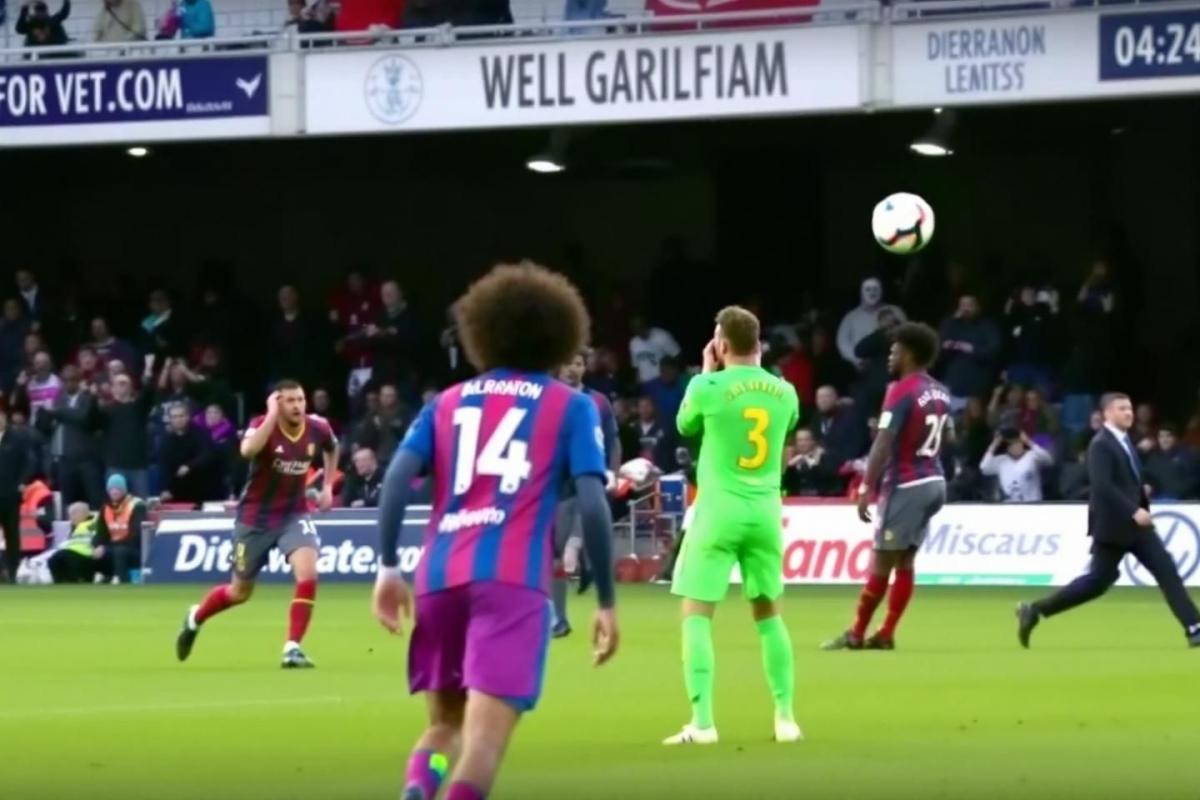
Thomas Tuchel expressed disappointment with Wembley’s atmosphere following England’s commanding victory against Wales, describing the stadium as remarkably quiet despite his team’s impressive performance. The German manager’s frustration stemmed from what he perceived as insufficient support from home fans during a match where England dominated early proceedings.
Tuchel criticizes Wembley atmosphere after dominant first-half display
The England manager didn’t mince words when addressing the lacklustre crowd response at the national stadium. Tuchel highlighted his frustration with fans who remained subdued throughout the encounter, particularly after England secured a commanding three-goal advantage within the opening twenty minutes. Goals from Morgan Rogers, Ollie Watkins, and Bukayo Saka established England’s dominance, yet the home support failed to match the team’s energy levels.
The stadium remained eerily quiet according to Tuchel, who expected greater vocal backing from supporters witnessing such an impressive attacking display. The 52-year-old coach emphasized how his players delivered exceptional entertainment value, suggesting they deserved more enthusiastic recognition from the stands. His post-match comments revealed genuine bewilderment at the muted response to England’s clinical finishing and dominant ball retention.
Interestingly, Welsh supporters appeared more vocal than their English counterparts during extended periods of the match. This observation particularly frustrated Tuchel, who felt the visiting fans’ energy levels surpassed those of home supporters despite England’s superior performance. The contrast became especially apparent during the second half when momentum naturally shifted.
Fan response and expert analysis of Tuchel’s criticism
Former England defender Stephen Warnock supported Tuchel’s assessment, acknowledging that the performance warranted stronger crowd backing. Warnock’s commentary perspective confirmed observations about Welsh fans generating superior atmosphere compared to their English equivalents. The ex-international suggested structural changes might help create more concentrated supporter groups at Wembley.
Various fan reactions highlighted differing perspectives on Tuchel’s comments. Some supporters argued that Wembley’s target audience consists primarily of tourists and casual attendees rather than passionate noise-makers who typically create electric atmospheres at away venues. Others pointed to the match’s friendly status and early conclusion as factors contributing to reduced crowd engagement during the second period.
| Factor | Impact on Atmosphere | Potential Solution |
|---|---|---|
| Ticket pricing | Attracts tourists over regular fans | Reserved sections for supporter groups |
| Stadium design | Poor acoustics at Wembley | Regional venue rotation |
| Match importance | Friendlies generate less passion | Focus criticism on competitive fixtures |
Several supporters suggested rotating international fixtures to regional stadiums where atmosphere traditionally proves more intense. Manchester’s Old Trafford received particular praise for generating electric environments during previous England matches, demonstrating how venue selection impacts crowd engagement levels significantly.
Manager’s track record and expectations moving forward
Since assuming England duties in January, Tuchel has maintained an impressive winning record with six victories from seven matches. His sole defeat came against Senegal in a friendly encounter, while recent performances have showcased attacking prowess with eight goals scored across the last two fixtures. The comprehensive 5-0 victory over Serbia in World Cup qualifying demonstrated England’s potential under German leadership.
Tuchel’s extensive experience working with elite clubs provides context for his atmospheric expectations. Having managed teams across Europe’s most passionate footballing environments, the former Chelsea and Bayern Munich coach understands how crowd energy can elevate player performance levels. His comments reflect genuine concern rather than criticism for criticism’s sake.
The manager acknowledged his responsibility for creating infectious energy while maintaining that players had provided sufficient entertainment value to warrant stronger supporter backing. His balanced approach suggests understanding of the symbiotic relationship between team performance and crowd engagement, though he clearly expected more vocal recognition of England’s dominant display.
Balancing criticism with supporter loyalty ahead of major tournaments
Some critics questioned the wisdom of publicly criticizing England fans, particularly given the previous manager’s near-miss at major tournaments despite facing supporter criticism. Tuchel’s direct communication style risks alienating sections of the fanbase who might interpret his comments negatively rather than constructively.
However, the German’s passion for English football culture emerged clearly in his extended post-match conference remarks. He praised the exceptional support England received in Serbia while expressing love for English football traditions. This context suggests his Wembley criticism stemmed from disappointment rather than fundamental dissatisfaction with England’s supporter base.
Key considerations for future matches include :
- Maintaining positive relationships with core supporter groups
- Understanding Wembley’s unique challenges regarding atmosphere generation
- Focusing energy criticism on competitive rather than friendly fixtures
- Working with stadium management to improve acoustic environments
Moving forward, Tuchel’s challenge involves nurturing both team performance and supporter engagement simultaneously. His commitment to infectious football suggests he’ll continue prioritizing entertainment value while hoping crowds respond with corresponding enthusiasm. The upcoming World Cup qualifying campaign will provide crucial opportunities to build stronger connections between team and supporters.

- Once-extinct European wildcats set to make a comeback in England - September 21, 2026
- Joe Salisbury takes break from tennis due to anxiety struggles - September 20, 2026
- Andy Haldane slams Budget 2025 for repeated policy mistakes - September 19, 2026

