
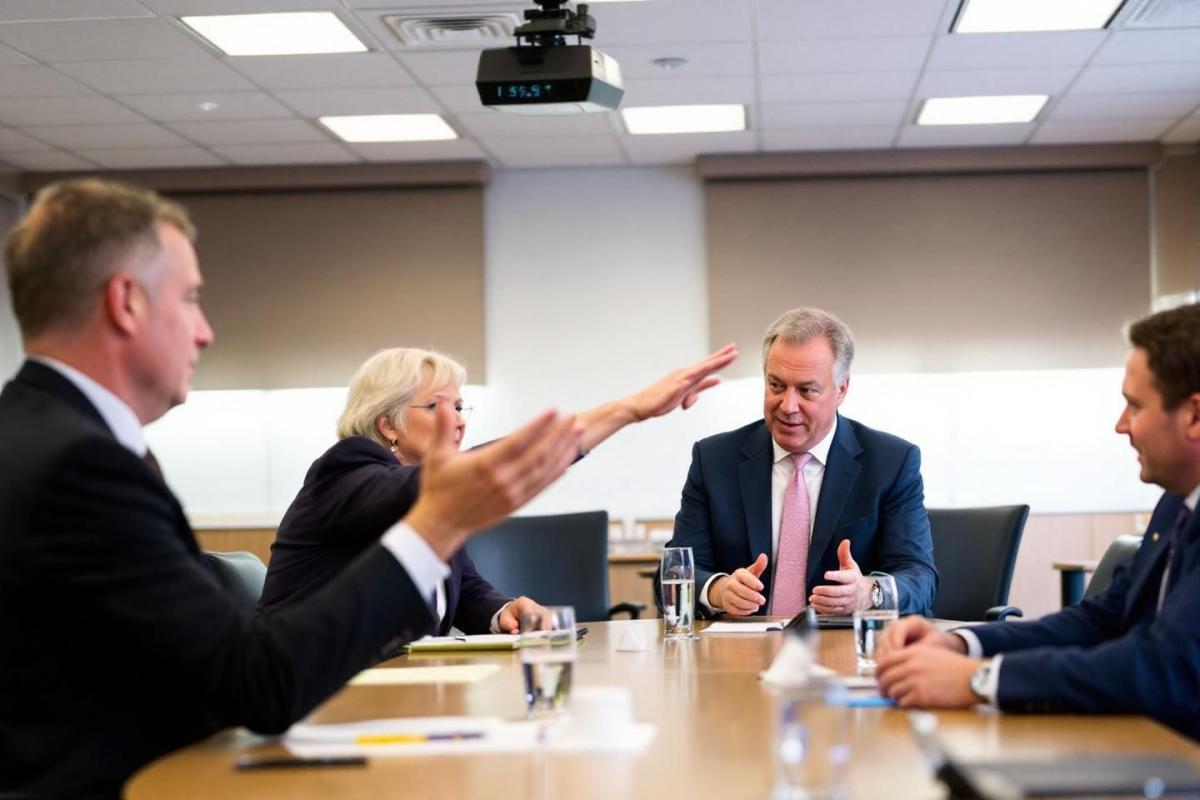
Reform UK leader Nigel Farage has taken a markedly aggressive stance on Russian military incursions into NATO territory, declaring that Britain should immediately shoot down any Russian aircraft entering alliance airspace. This hawkish position represents a significant shift from his previously contentious relationship with Vladimir Putin and Russian foreign policy.
Farage’s hardline position on NATO airspace violations
Speaking in a recent Bloomberg interview, Farage delivered an unequivocal message regarding Russian aerial provocations : “Gotta shoot them down” when asked about his response to Russian jets crossing into allied airspace. This decisive stance comes amid growing tensions following multiple incidents where Russian military assets have violated NATO members’ territorial boundaries.
The Reform UK leader’s position aligns closely with recent developments in Eastern Europe, particularly after approximately 20 Russian drones penetrated Polish airspace on September 10th. NATO jets responded by intercepting and destroying several of these unmanned aircraft, demonstrating the alliance’s commitment to defending its territorial integrity. Following this incident, Royal Air Force jets were deployed on air defense missions over Poland to counter aerial threats from Russia.
Farage’s comments echo similar sentiments expressed by former President Donald Trump, who previously called for NATO forces to actively engage Russian aircraft breaching alliance airspace. Polish Foreign Minister Radosław Sikorski responded positively to Trump’s remarks with a simple “Roger that”, indicating broader European support for such measures. This coordinated response suggests a growing consensus among Western leaders regarding the need for decisive action against Russian provocations.
The strategic implications of this position extend beyond mere rhetoric, as NATO Secretary General Mark Rutte has recently met with defense ministers to discuss easing engagement rules, potentially allowing troops greater latitude in responding to Russian military incursions.
Evolution from Putin admiration to confrontation
Farage’s current hardline approach represents a dramatic departure from his previous statements about Vladimir Putin. In 2014, while serving as UKIP leader, he told GQ Magazine that he admired Putin “as an operator” and praised the Russian president’s handling of the Syria crisis as “brilliant”, though he clarified he didn’t approve of him politically.
During his recent Bloomberg interview, Farage significantly hardened his rhetoric, describing Putin as “a very bad dude” and expressing disappointment with the Russian leader’s unwillingness to engage constructively with Trump’s peace initiatives. He stated his hope that Trump would “bring Putin to heel” and facilitate a compromise similar to recent Middle East agreements.
Labour Party Chair Anna Turley accused Farage of “panicking and desperately trying to backtrack” on his previous Putin-friendly positions. She claimed Farage continues to promote Russian narratives about Western responsibility for the Ukraine invasion, stating that “Putin doesn’t have to pay Nigel Farage to spout Russian talking points – he does it for free.”
| Year | Farage’s Position | Context |
|---|---|---|
| 2014 | Admired Putin “as an operator” | GQ Magazine interview, UKIP leadership |
| 2024 | Blamed NATO eastward expansion | Continued criticism of Western policies |
| 2025 | Called Putin “a very bad dude” | Bloomberg interview, hardened stance |
Military deployment and peacekeeping proposals
Regarding potential British military involvement in Ukraine, Farage outlined a cautious but engaged approach. While expressing reluctance about deploying “badged” British Army soldiers directly to Ukraine, he indicated support for British participation in UN peacekeeping operations following any potential ceasefire agreement.
His position on military engagement includes several key elements :
- Support for shooting down Russian aircraft in NATO airspace
- Backing UN peacekeeping missions with British participation
- Utilization of frozen Russian assets for Ukrainian reconstruction
- Anticipation of enhanced US military support including Tomahawk missiles
Farage believes Trump feels that “Putin has made a fool of him” and predicts increased American military assistance to Ukraine, including the potential delivery of Tomahawk cruise missiles to Kyiv. This assessment reflects his view that diplomatic efforts have failed and military pressure represents the most viable path forward.
The Reform UK leader’s strategic thinking encompasses broader implications for NATO’s eastern flank, supporting Prime Minister Keir Starmer’s commitment to bolster alliance defenses through the Eastern Sentry initiative. RAF aircraft deployments serve not merely as symbolic gestures but as “vital deterrents” against Russian aggression while protecting national security interests.
Addressing corruption scandals within Reform UK
Recent revelations about corruption within Farage’s political circle have added complexity to discussions about his Russia-related positions. Nathan Gill, Reform UK’s former Welsh leader and previously a UKIP MEP, pleaded guilty to eight bribery counts for making pro-Russian statements between December 2018 and July 2019.
Farage expressed shock at these revelations, describing Gill as a “God-fearing Christian” whom he considered “the least corruptible person”. He insisted complete ignorance of Gill’s corrupt activities and pro-Russian advocacy, claiming to be “stunned” by the criminal charges.
This scandal has intensified scrutiny of Farage’s historical positions on Russia and raised questions about potential influence operations within his political organizations. The timing of these revelations coincides with broader Western concerns about Russian interference and propaganda campaigns targeting European political movements.
European Commission President Ursula von der Leyen has confirmed that shooting down intruding Russian fighter jets remains “on the table” as a policy option. This position reflects growing European resolve to defend alliance territory against Russian provocations while maintaining unity in response to ongoing security challenges.

- Once-extinct European wildcats set to make a comeback in England - September 21, 2026
- Joe Salisbury takes break from tennis due to anxiety struggles - September 20, 2026
- Andy Haldane slams Budget 2025 for repeated policy mistakes - September 19, 2026

