
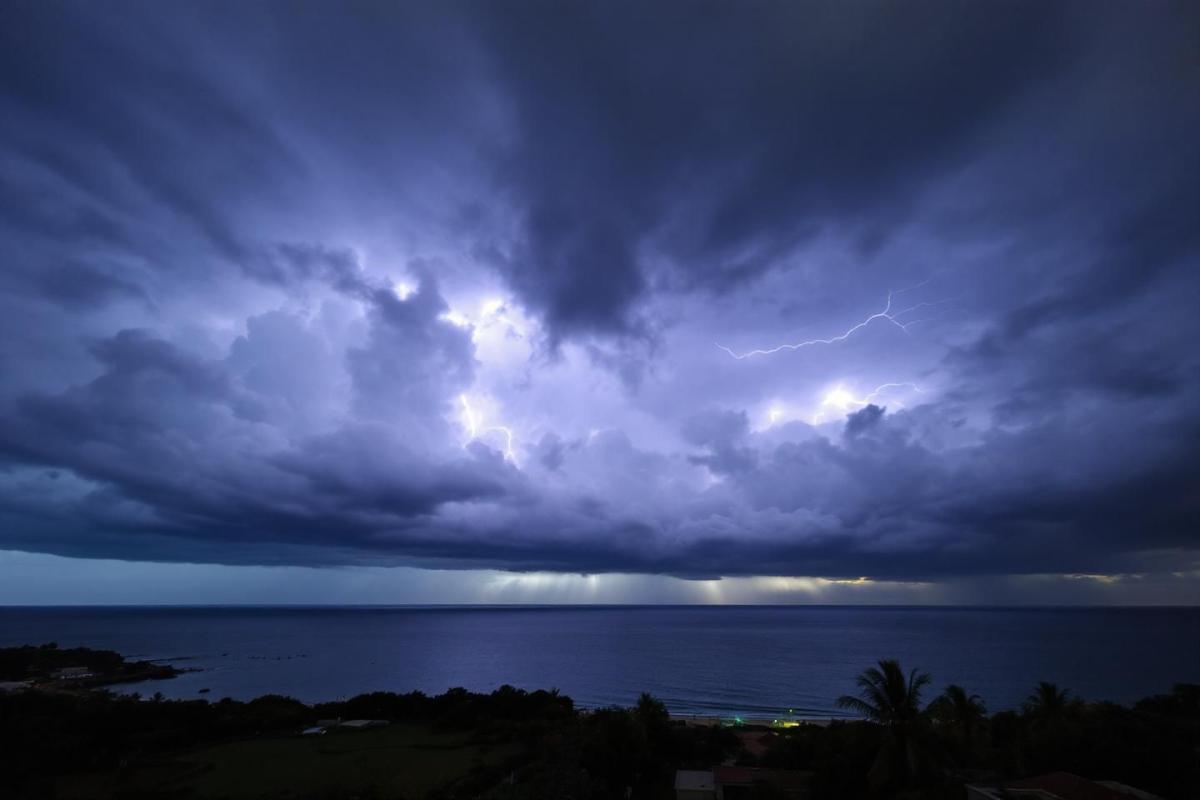
Severe weather conditions are approaching the East of England as meteorological authorities prepare residents for Storm Benjamin’s arrival. The incoming weather system promises to deliver significant disruption across multiple regions, with coastal areas bearing the brunt of the most extreme conditions. Forecasters emphasize the importance of preparation as communities brace for what could be one of the season’s most impactful weather events.
The storm’s trajectory encompasses a vast geographical area, affecting millions of residents across England’s eastern territories. Weather presenter Gillian Brown has highlighted the notable temperature variations expected throughout the affected period. The approaching system demonstrates the unpredictable nature of British weather patterns during this transitional season.
Yellow weather warning encompasses multiple regions
The Met Office has implemented a comprehensive yellow weather warning covering substantial portions of England. This alert encompasses the East of England, London, the South East, selected areas of the East Midlands, and parts of Yorkshire. The warning demonstrates the storm’s extensive reach across some of England’s most densely populated regions.
Officials have scheduled the warning period to remain active from 03 :00 BST until 23 :59 on Thursday. This extended timeframe reflects the storm’s prolonged impact potential and the need for sustained vigilance among residents. The timing coincides with peak commuting hours, potentially amplifying disruption to daily routines.
Meteorological experts predict that widespread wind gusts will reach approximately 60mph across the affected regions. However, coastal communities should prepare for even more severe conditions, with potential wind speeds exceeding 70mph in exposed areas. These velocities represent significant safety concerns for both pedestrians and vehicle operators.
| Region | Expected Wind Speed (mph) | Risk Level |
|---|---|---|
| Inland Areas | Up to 60 | Moderate |
| Coastal Areas | Up to 70+ | High |
| London/South East | 50-65 | Moderate to High |
| East Midlands | 45-60 | Moderate |
Transportation networks face significant disruption
The approaching storm system threatens to cause substantial delays and cancellations across multiple transportation modes. Road networks may experience hazardous driving conditions, with high-sided vehicles particularly vulnerable to strong crosswinds. Drivers should anticipate longer journey times and consider postponing non-essential travel during peak wind periods.
Rail services across the affected regions may implement speed restrictions or temporary suspensions to ensure passenger safety. Network operators typically reduce service frequency during severe weather events, leading to overcrowding on remaining services. Passengers should monitor real-time updates and allow additional travel time for essential journeys.
Aviation services face particular challenges during high-wind conditions, with potential impacts including :
- Flight delays due to reduced landing capacity
- Diversions to alternative airports
- Complete service suspensions during peak wind periods
- Extended check-in and boarding procedures
Maritime activities along England’s eastern coastline should exercise extreme caution. Small craft operators are advised to remain in port, while larger vessels may need to adjust routes or schedules. Harbor authorities will monitor conditions closely and may restrict port access during peak storm periods.
Safety risks and infrastructure concerns
Building damage and power infrastructure vulnerabilities represent primary concerns as Storm Benjamin approaches. High winds can dislodge roof tiles, damage chimneys, and uproot trees, creating hazardous conditions for residents and property. Older structures with compromised structural integrity face elevated risks during severe weather events.
Electrical power networks may experience interruptions due to falling debris, damaged overhead lines, or equipment failures. Utility companies have prepared response teams to address outages, but restoration times may extend depending on damage severity and accessibility. Residents should prepare emergency kits including flashlights, batteries, and portable charging devices.
The potential for flying debris injuries requires particular attention from residents in exposed areas. Unsecured garden furniture, temporary structures, and loose building materials can become dangerous projectiles in high winds. Property owners should secure or relocate potential hazards before conditions deteriorate.
Emergency services remain on heightened alert throughout the warning period, with additional resources positioned strategically across affected regions. Response capabilities include specialized rescue equipment and personnel trained for severe weather scenarios.
Preparedness measures for Storm Benjamin
Residents across the warning areas should implement comprehensive preparation strategies before conditions deteriorate. Indoor safety measures include identifying the most structurally sound rooms in homes, typically interior spaces away from large windows. Families should establish communication plans and ensure mobile devices remain fully charged.
Outdoor preparation involves securing loose items, trimming overhanging tree branches where possible, and clearing gutters and drainage systems. Vehicle owners should avoid parking under trees or near structures that could shed debris. Fuel tanks should be filled before the storm arrives, as service stations may experience power outages.
Weather monitoring through official channels becomes crucial during storm periods. The Met Office provides regular updates through multiple platforms, while local authorities issue specific guidance for their regions. Social media channels offer real-time information, but residents should verify sources and prioritize official communications.
Community support networks often activate during severe weather events, particularly for vulnerable residents who may require assistance. Neighbors should check on elderly or isolated community members, ensuring they have necessary supplies and communication methods. Local councils may open emergency shelters if conditions warrant additional support measures.

- England league-union hybrid match proposed for 2026 - October 16, 2026
- England league-union hybrid match proposed for 2026 - October 16, 2026
- Body found in Salisbury with no signs of foul play, police say - October 15, 2026

