
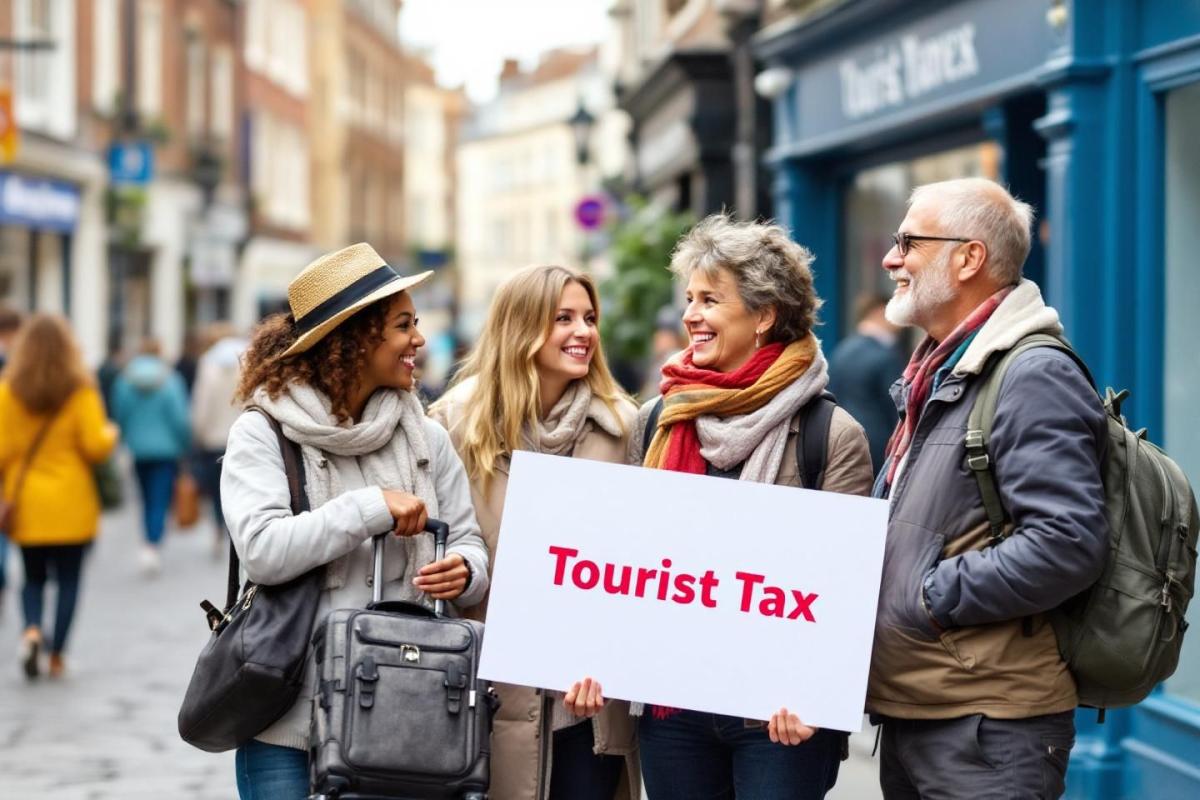
The hospitality sector across England faces a significant transformation as regional mayors gain authority to implement overnight visitor charges. This groundbreaking policy announcement, revealed just before the autumn budget by communities secretary Steve Reed, marks a pivotal shift in how local authorities can generate revenue from tourism. The proposed levy system aims to align England with international destinations while funding essential infrastructure improvements and transport networks.
Understanding the new visitor levy framework
The government’s decision to grant mayors across England the power to introduce modest overnight charges represents a fundamental change in local authority financing. This visitor levy will apply to various accommodation types, encompassing hotels, bed and breakfasts, guest houses, and holiday rental properties. The scheme positions England alongside Scotland and Wales, which have already begun implementing similar tourist taxation systems.
Regional leaders have long advocated for such measures, with prominent figures like Sir Sadiq Khan and Andy Burnham leading the campaign. The Greater London Authority’s preliminary calculations suggest considerable revenue potential, with estimates indicating that a £1 daily charge could generate approximately £91 million annually, while a 5% levy might produce up to £240 million. These figures demonstrate substantial financial opportunities for regional development and infrastructure enhancement.
Officials emphasize that this approach mirrors successful international models, bringing English cities into alignment with major tourism destinations worldwide. Research conducted on existing schemes indicates that reasonable fee structures have minimal impact on visitor numbers, suggesting the policy can generate revenue without deterring tourists from choosing England as their destination.
Regional responses and implementation strategies
The reaction from regional leadership reveals a divided landscape regarding visitor taxation implementation. Sir Sadiq Khan welcomed the announcement enthusiastically, describing it as excellent news for London that will directly support the capital’s economy. He emphasized how the levy will help cement London’s reputation as a premier global tourism and business destination, providing funds for essential services and infrastructure improvements.
Similarly, Andy Burnham expressed his support for the measure in Greater Manchester, highlighting how the revenue will enable investment in critical visitor infrastructure. His vision includes maintaining clean streets and enhancing public transport systems through extended operating hours for buses and trams, ensuring every tourist experience becomes positive and memorable.
| Region | Mayor Position | Estimated Revenue | Planned Investment Areas |
|---|---|---|---|
| London | Supportive | £91m-£240m annually | Economy, infrastructure, reputation |
| Greater Manchester | Supportive | To be determined | Transport, street maintenance |
| Tees Valley | Opposed | N/A | No implementation planned |
However, not all regional leaders embrace this opportunity. Lord Houchen, the Conservative Tees Valley mayor, firmly rejected the proposal, stating he will not introduce a tourist tax in his region. This divergence illustrates how the optional nature of the levy creates a patchwork implementation across England, potentially leading to competitive advantages or disadvantages between regions.
Industry concerns and economic implications
The hospitality sector has voiced significant opposition to the proposed visitor levy, with industry representatives characterizing it as a damaging holiday tax. Kate Nicholls, chair of UKHospitality, issued stark warnings about the potential economic consequences, suggesting the measure could cost the public up to £518 million. Her assessment emphasizes that these costs will inevitably transfer directly to consumers, potentially driving inflation and undermining governmental objectives to reduce living expenses.
Political opposition has also materialized, with Conservative shadow local government secretary Sir James Cleverly condemning the measure as yet another taxation burden on British holidays. His criticism focuses on how the levy increases costs for families already facing financial pressures, while simultaneously delivering another blow to the struggling hospitality industry.
The concerns raised by industry stakeholders highlight several critical considerations :
- Direct cost transfer to consumers through higher accommodation prices
- Potential inflationary pressure on holiday expenses for British families
- Competitive disadvantages compared to regions without visitor levies
- Additional administrative burden on accommodation providers
- Possible negative impact on domestic tourism demand
Consultation process and future developments
The government has initiated a comprehensive consultation period extending until February 18, allowing stakeholders to contribute their perspectives and concerns. This consultation will examine crucial implementation details, including whether authorities should establish a maximum cap on levy amounts to prevent excessive charging that might genuinely deter visitors.
The consultation represents an essential opportunity for the hospitality industry, local authorities, tourism organizations, and the public to shape the final framework. Key considerations include determining appropriate charge levels that balance revenue generation with maintaining England’s competitive position as a tourism destination. The outcome will significantly influence how regions approach implementation and whether standardization across England becomes necessary.
International precedents from cities like New York, Paris, and Milan provide valuable insights into effective visitor levy structures. These destinations have successfully implemented tourist taxes without experiencing significant declines in visitor numbers, suggesting that well-designed schemes can achieve their objectives. The English consultation must consider these examples while accounting for domestic market dynamics and regional variations in tourism patterns. As mayors prepare to exercise their new powers, the balance between revenue generation, visitor satisfaction, and economic impact will determine the long-term success of this transformative policy.

- Tourist tax to be introduced across England for overnight visitors - October 6, 2026
- Huge Neolithic structure found in Stonehenge landscape reveals ancient secrets - October 5, 2026
- Woman found in connection to child death case in Wicomico County - October 4, 2026

