
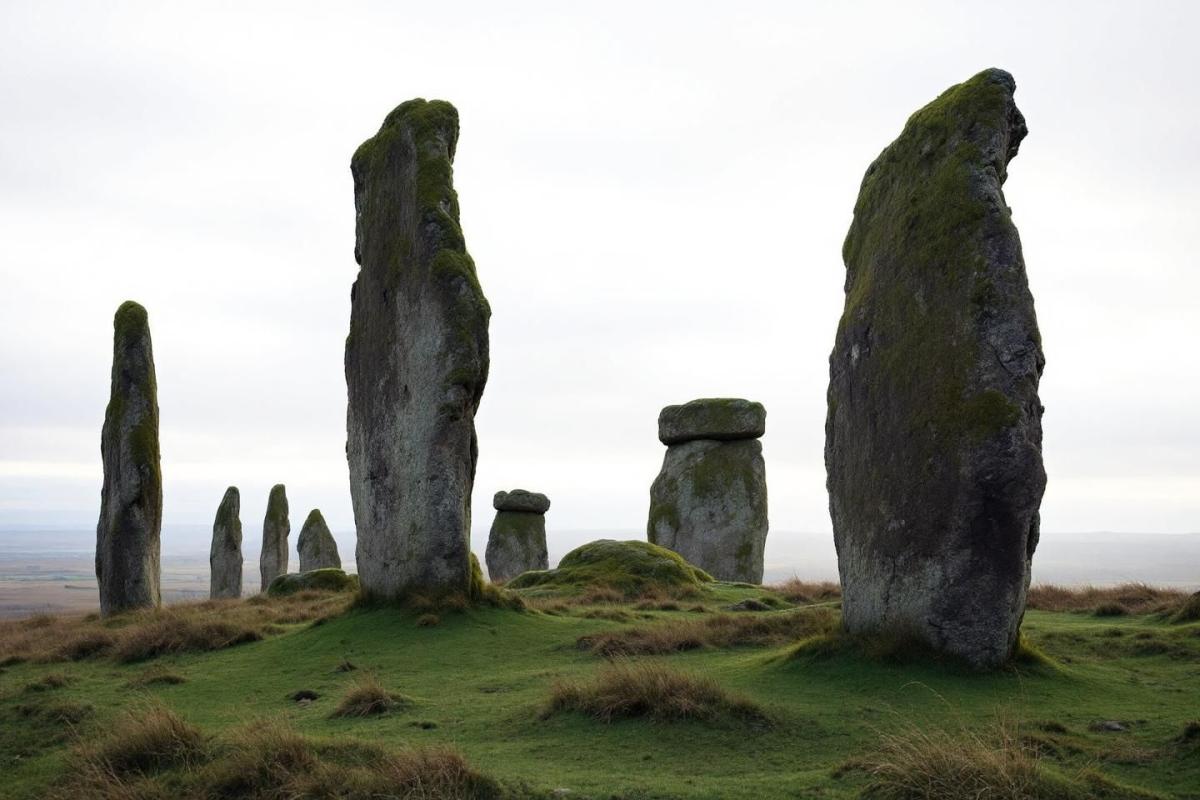
Archaeological research at the Stonehenge World Heritage Site has unveiled remarkable Neolithic discoveries that fundamentally reshape our understanding of prehistoric Britain. The massive prehistoric pits discovered near Durrington Walls represent one of the most significant archaeological findings in recent decades, confirming what preliminary surveys had suggested years earlier. These enormous excavations, carved into the Wiltshire chalk landscape over 4,000 years ago, demonstrate the sophisticated planning capabilities and cosmological beliefs of ancient communities.
The dimensions of these ancient features are staggering : each pit measures approximately ten metres in diameter and exceeds five metres in depth. According to Professor Vince Gaffney from the University of Bradford, this configuration might constitute one of Britain’s largest prehistoric structures. The findings, published in the Internet Archaeology Journal, provide compelling evidence that these pits were deliberately created by human hands during the Neolithic period.
Advanced geophysical techniques reveal hidden monuments
Modern archaeological methodology played a crucial role in identifying these subterranean Neolithic features. Researchers employed geophysical surveying across 12 square kilometres of the Stonehenge landscape, enabling them to detect anomalies invisible to casual observation. The massive scale of these pits made traditional excavation impractical, so specialists resorted to strategic borehole sampling to extract sediment for detailed analysis.
The investigation revealed that these circular pits were arranged in a remarkably precise horseshoe-shaped pattern. Professor Gaffney emphasized the accuracy of this configuration, suggesting that Neolithic people carefully measured distances to maintain consistent spacing. The arrangement links to another monument situated near Larkhill, creating an integrated ceremonial landscape that demonstrates sophisticated spatial planning.
Creating these deep excavations would have required extraordinary communal effort from ancient populations. Each pit extends roughly two storeys into the chalk bedrock, representing thousands of hours of manual labour using primitive tools. This investment of resources indicates that the structure held profound significance for Neolithic communities, likely serving ceremonial or astronomical purposes within their belief systems.
| Characteristic | Measurement |
|---|---|
| Pit diameter | 10 metres |
| Pit depth | Over 5 metres |
| Surveyed area | 12 square kilometres |
| Estimated age | More than 4,000 years |
| Period of use | Approximately 1,000 years |
Scientific dating methods unlock temporal mysteries
Dr Tim Kinnaird from the University of St Andrews applied luminescence dating techniques to sediment samples extracted from the pits. This method measures when soil particles were last exposed to daylight before falling into the excavations, providing accurate construction dates. The analysis confirmed that these features were created during the Neolithic period, making them contemporary with other monuments in the Stonehenge landscape.
Perhaps most intriguingly, the research revealed that these pits remained open for approximately a millennium after their initial construction. This extended period of use spans multiple cultural transitions within prehistoric Britain, suggesting that the site maintained its significance across generations and evolving societies. The longevity of ritual use demonstrates the enduring importance of this location in ancient cosmology.
DNA extraction from sediment samples provided additional insights into how the site was utilized during its active period. Genetic material from domestic animals, including sheep and cattle, suggests these pits may have served ceremonial functions involving livestock. These findings paint a picture of complex ritual activities that integrated animal husbandry with spiritual practices.
Cosmological inscriptions in the landscape
Professor Gaffney’s interpretation suggests that Neolithic communities were literally inscribing their worldview into the earth itself. The mathematical precision required to create the circular arrangement demonstrates that these ancient populations possessed counting systems and applied them systematically. The key aspects of this cosmological landscape include :
- Geometric precision in pit placement and spacing
- Integration with existing monuments like Woodhenge
- Alignment with celestial or territorial boundaries
- Sustained ritual significance across cultural periods
The Durrington Walls complex sits adjacent to Woodhenge, another significant Neolithic monument, creating an interconnected ceremonial precinct. This proximity suggests that ancient communities conceived of the entire landscape as a unified sacred space, rather than isolated monuments. The horseshoe configuration may reflect astronomical observations, territorial demarcations, or mythological narratives central to Neolithic belief systems.
Implications for understanding prehistoric Britain
This discovery fundamentally alters archaeological understanding of Neolithic social organization and capabilities. The sheer scale of construction implies coordinated labour forces and centralized planning authority, challenging previous assumptions about prehistoric societal structures. The maintenance of these features over a thousand years indicates institutional continuity and cultural memory transmission across numerous generations.
The designation as a potential “super henge” by researchers underscores the monument’s exceptional nature within British prehistory. While Stonehenge itself captures public imagination, this newly confirmed structure may actually surpass the famous stone circle in overall scale, despite remaining largely invisible to modern observers. The findings demonstrate that much remains to be discovered beneath apparently empty landscapes surrounding well-known monuments.
Future research will undoubtedly explore additional aspects of this remarkable prehistoric structure, potentially revealing more about the communities who invested such tremendous effort in creating this monumental landscape. The Stonehenge World Heritage Site continues to yield secrets, reminding us that even extensively studied locations can still surprise archaeologists with new revelations about humanity’s ancient past.

- Huge Neolithic structure found in Stonehenge landscape reveals ancient secrets - October 5, 2026
- Woman found in connection to child death case in Wicomico County - October 4, 2026
- What to expect in budget 2025 : tax, VAT, pensions, savings and more - October 3, 2026

