
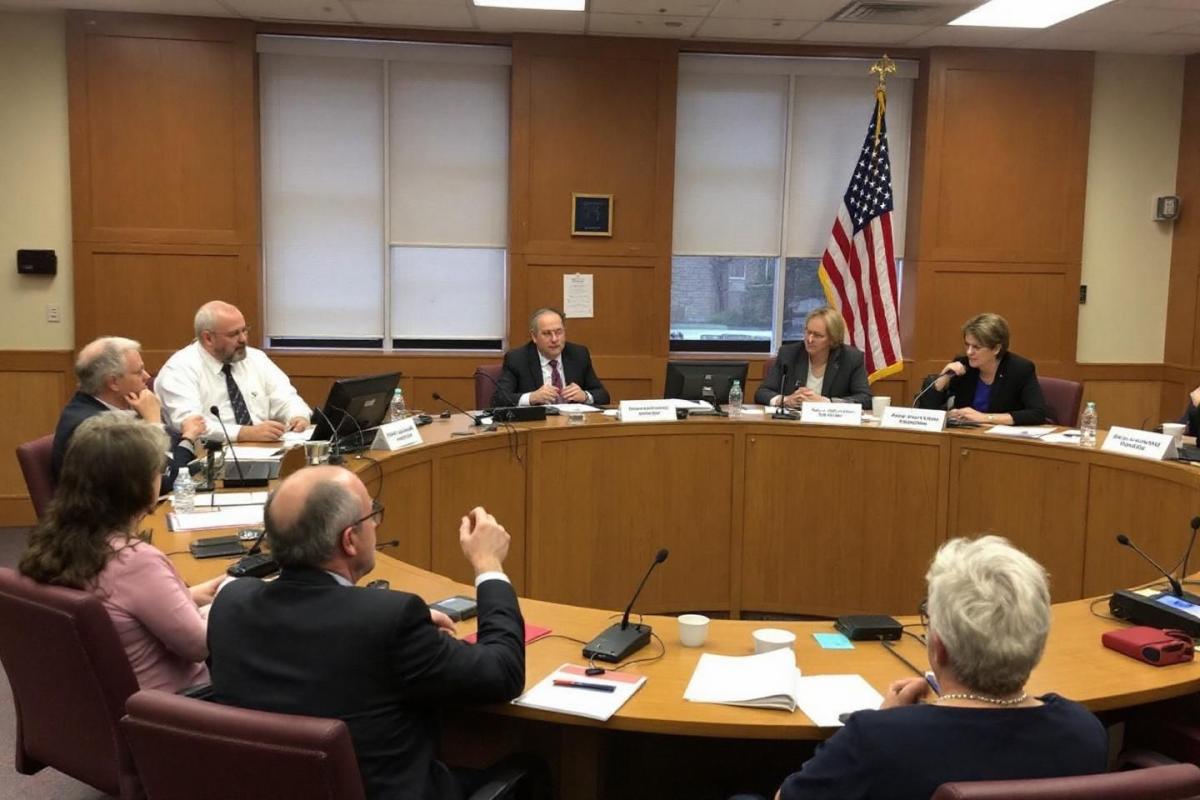
Local authorities across southern England have joined forces to express their dismay at proposals threatening years of careful planning for major road improvements. The potential cancellation of planning permission for the Stonehenge tunnel represents a significant setback for regional development, with leaders from multiple councils voicing their opposition to what they describe as a shortsighted governmental decision.
United opposition from regional councils
Representatives from Wiltshire, Somerset, Dorset and BCP have issued a collaborative statement criticizing the government’s intention to withdraw the development consent order. Councillors Nick Ireland, Bill Revans, Ian Thorn and Millie Earl condemned the move as damaging to the entire Wessex region. Their collective response highlights the frustration felt by communities who have invested considerable time and resources into this infrastructure project.
The elected officials emphasized that revoking the development consent order ignores extensive consultation processes and substantial financial commitment already made. According to their statement, the A303 corridor plays a crucial role in connecting communities and supporting economic growth across the southwest. The scheme aimed to address multiple objectives simultaneously, including reducing traffic congestion, enhancing road safety, and protecting heritage sites while delivering environmental improvements.
The council leaders argue that this decision reinforces an existing imbalance in government investment affecting the Wessex area. They warn that abandoning the project at this stage undermines confidence in long-term strategic planning and jeopardizes the region’s potential for sustainable development. Their unified call urges ministers to reconsider and collaborate on finding a viable solution that addresses regional needs while promoting economic growth.
Financial implications and project history
The announcement to scrap planning consent came in October 2024, following an initial decision to pause the initiative in July of the same year. When the newly elected Labour administration took office, officials stated they would not proceed with projects that previous governments had refused to cancel publicly despite knowing they were financially unviable. This stance has raised questions about accountability and the management of public funds.
| Timeline | Key event | Impact |
|---|---|---|
| July 2024 | Project placed on hold | Construction halted indefinitely |
| October 2024 | Revocation plans announced | Planning permission at risk |
| November 2024 | Public consultation opens | Deadline November 21 |
More than £160 million has already been spent on the A303 Amesbury to Berwick Down scheme, which proposed creating eight miles of dual carriageway alongside a tunnel near one of Wiltshire’s most iconic landmarks. Visitors typically explore Stonehenge access : How close visitors can get to the ancient stones and viewing options when planning their trip to this historic site. The substantial investment reflects years of technical assessments, environmental studies, and community engagement designed to balance heritage protection with modern infrastructure requirements.
Should the project ever be revived, withdrawing the development consent order entirely would necessitate restarting the approval process from scratch. This prospect concerns supporters who recognize that securing consent has already consumed years of dedicated effort. The possibility of repeating this lengthy procedure represents both a temporal and financial burden that many consider unjustifiable given the progress already achieved.
Political reaction and proposed alternatives
Conservative MP Simon Hoare, representing North Dorset, has been particularly vocal about his opposition to the revocation plans. He characterized the decision as a blow to the south west and formally communicated his concerns to Transport Secretary Heidi Alexander. His correspondence emphasizes the devastating impact this choice could have on regional connectivity and economic prospects.
In his letter to the Secretary of State, Hoare proposed an alternative approach that would preserve the work already completed. He suggested legally mothballing the development consent order rather than revoking it entirely. This solution would potentially achieve several objectives :
- Protect existing investment by maintaining the legal framework already established
- Future-proof the project should subsequent administrations wish to resurrect the initiative
- Avoid the necessity of beginning the entire approval process again from the beginning
- Preserve years of consultation outcomes and technical assessments
The MP acknowledged that restarting the consent process would prove both time-consuming and costly, two factors that could indefinitely delay desperately needed improvements to regional infrastructure. His willingness to meet with government officials demonstrates a commitment to finding pragmatic solutions that serve both fiscal responsibility and community interests.
Community response and consultation period
Local residents have also expressed their views on the controversial proposal. Reader Don Bourne articulated frustration with successive governments that have identified A303 improvements as necessary for decades without delivering meaningful results. He argued that hundreds of millions in taxpayer money have been wasted through incomplete initiatives and abandoned projects over the years.
Bourne’s recommendation mirrors that of MP Hoare, suggesting that approved plans and funding should be preserved rather than discarded. He advocated for a unified political approach where local and national representatives work collaboratively to restart and complete improvements within the current parliamentary term. This perspective reflects broader sentiment within affected communities who feel their needs have been consistently overlooked.
The government has opened a public consultation on the proposed revocation order, providing citizens with an opportunity to formally register their opinions. This consultation period closes on November 21, giving stakeholders a limited window to influence the final decision. Authorities encourage anyone with concerns about the A303 scheme to participate in this consultation process and ensure their voices contribute to the policy debate.
The controversy surrounding the Stonehenge tunnel project encapsulates broader challenges facing regional infrastructure development across England. As communities await the government’s final determination, the debate continues about balancing fiscal constraints with legitimate infrastructure needs and honoring commitments made through extensive planning processes.

- England league-union hybrid match proposed for 2026 - October 16, 2026
- England league-union hybrid match proposed for 2026 - October 16, 2026
- Body found in Salisbury with no signs of foul play, police say - October 15, 2026

