
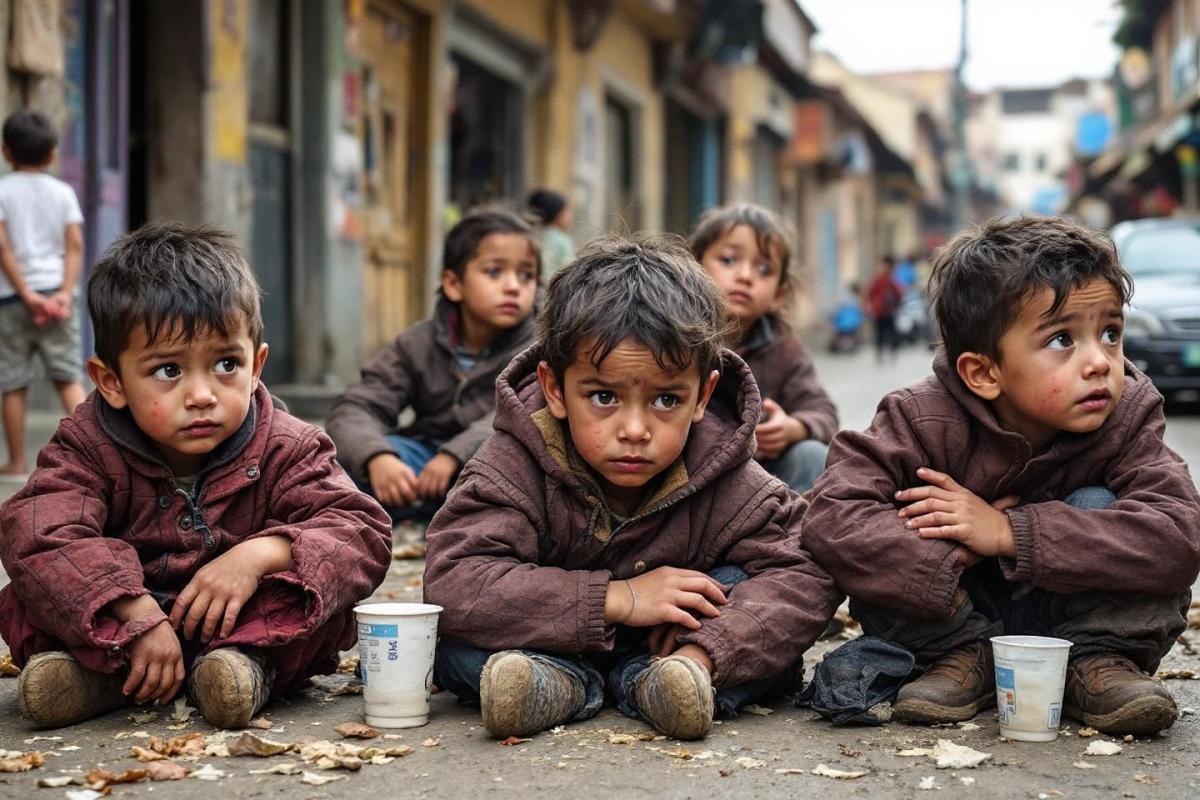
The harsh reality of child poverty in modern Britain has reached alarming levels, with England’s children’s commissioner Dame Rachel de Souza describing conditions as “Dickensian.” Recent investigations reveal devastating circumstances where children face rat infestations in their homes, consider bacon a luxury, and lack basic hygiene facilities. These findings echo the deprivation chronicled in Charles Dickens’ novels, despite occurring in one of the world’s wealthiest nations in 2025.
The shocking extent of child deprivation in modern Britain
A comprehensive report published on July 8th, 2025, based on experiences of 128 children across the country between January and March, paints a distressing picture of childhood poverty. Dame Rachel de Souza, who has served as children’s commissioner for four years, expressed profound shock at how conditions have deteriorated, stating: “It really is Dickensian and there are a huge number of children now who have dropped below what anyone of us would think is reasonable.”
The report documents heartbreaking testimonials from affected children. One child described the shame of being unable to invite friends home because rats had bitten his face during the night. Others reported going to school in dirty clothes because they lacked washing facilities, with some schools stepping in to provide laundry services. The investigation revealed children facing multiple deprivations:
- Limited or no access to nutritious food
- Cramped, unsanitary living conditions
- Inadequate heating during winter months
- Inability to afford basic hygiene products
- Restricted access to educational resources
Labour MP Dame Meg Hillier, chair of the Treasury Select Committee, confirmed these findings reflect what she regularly witnesses in her constituency. She described visiting “a man working in a good job, three children and his wife in a one-bedroom flat – so five of them in one bedroom. When the baby’s ill they have to go and sleep in the small living room.”
The return of Victorian-era diseases represents perhaps the most shocking evidence of extreme poverty. Lynn Perry, chief executive of Barnardo’s, noted: “The NHS is seeing the return of diseases like rickets due to malnutrition – the very same illnesses tackled by our founder Thomas Barnardo more than 150 years ago.” This regression to health conditions historically associated with extreme deprivation signals a profound social crisis.
Root causes and policy debates around child poverty
At the heart of policy debates lies the controversial two-child benefit cap, which prevents most families from claiming means-tested benefits for third or subsequent children born after April 2017. According to Bank of England economic analysis, approximately 1.6 million children live in households affected by this policy.
The Institute for Fiscal Studies estimates removing this cap would cost the government about £3.4 billion annually but could lift 500,000 children out of relative poverty. Children’s commissioners from all four UK nations have jointly called for two urgent actions:
- Removing the two-child benefit cap immediately
- Implementing annual increases in all child-related benefits
Their joint statement emphasizes that “children cannot afford to wait” and declares it “unacceptable” that any child in 2025 should go without basics like food, clothing, heating, safe housing, and other essentials.
The government has announced a £1 billion package to improve crisis support, including funding to ensure the poorest children don’t go hungry outside term time. However, political divisions regarding long-term solutions remain apparent. While Liberal Democrats, Green Party, Reform, SNP, and Plaid Cymru have all called for removing the benefit cap, Conservative shadow chancellor Mel Stride defended the policy, stating: “A lot of people up and down the country go through those hard choices and often sacrifices, in order to have a large family.”
Impact of economic instability on family welfare
The relationship between broader economic factors and child poverty creates a complex challenge. Many families cycle in and out of universal credit dependency “because of poor rates of pay in their work and because of sickness,” according to Dame Rachel. This points to systemic issues within the labor market and healthcare sectors.
The following table illustrates key factors contributing to child poverty in the UK:
| Factor | Impact on Families | Potential Solutions |
|---|---|---|
| Low wages | Working parents unable to meet basic needs despite employment | Living wage enforcement, improved labor protections |
| Housing costs | Families forced into inadequate, overcrowded accommodations | Affordable housing expansion, rent controls |
| Benefit restrictions | Multiple children in same household receiving unequal support | Removal of two-child benefit cap |
| Cost of living crisis | Basic necessities becoming unaffordable for low-income families | Targeted financial support, price controls on essentials |
The government’s child poverty taskforce is developing a strategy due for release in autumn 2025. Education Secretary Bridget Phillipson, who co-leads this initiative, has stated ministers are “looking at every lever” to address child poverty, though recent economic challenges have complicated the funding landscape.
Dame Meg Hillier pushed back against framing poverty reduction as a financial trade-off, stating: “We shouldn’t be seeing it as a trade-off.” This highlights the fundamental ethical debate surrounding child welfare—whether adequate support for all children represents an essential societal obligation rather than an optional expense.
As Britain grapples with these challenging realities, the specter of Dickensian poverty among its youngest citizens serves as a stark reminder that economic progress hasn’t benefited all members of society equally. The forthcoming government strategy will reveal whether policy responses will match the urgency and scale that children’s advocates have demanded.


