
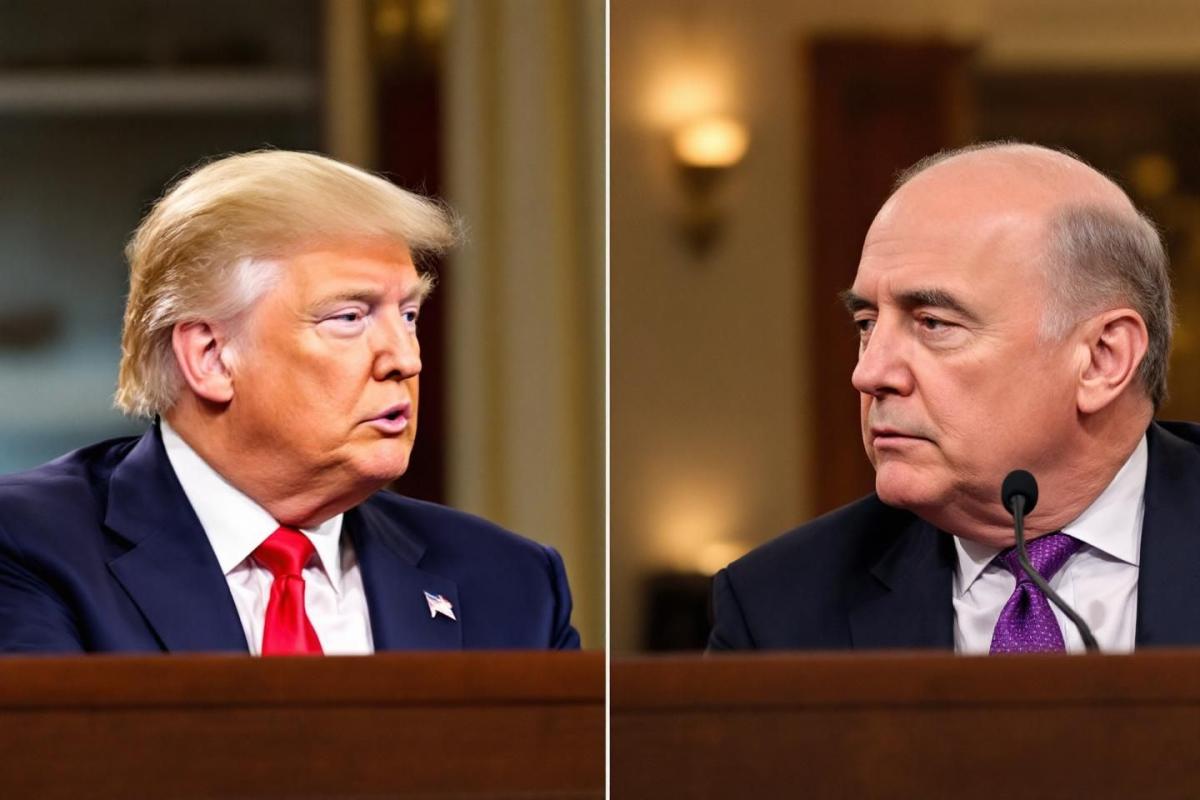
During a significant diplomatic meeting at Chevening House in Kent on August 8, 2025, US Vice-President JD Vance openly questioned the United Kingdom’s intention to recognize a Palestinian state. The discussion with British Foreign Secretary David Lammy highlighted growing policy differences between the US and UK regarding the ongoing situation in Gaza and the broader Middle East peace process.
Diplomatic tensions over Palestinian statehood recognition
The UK government has announced plans to formally recognize a Palestinian state by September if certain conditions aren’t met by Israel. This position stands in stark contrast to the Trump administration’s approach, creating notable diplomatic friction between the longtime allies. During their joint appearance, Vance made the US position unmistakably clear.
“The United Kingdom is going to make its decision,” Vance stated firmly. “We have no plans to recognize a Palestinian state. I don’t know what it would mean to really recognize a Palestinian state – given the lack of a functional government there.”
The Trump administration maintains that recognizing Palestinian statehood would effectively reward Hamas, the militant group whose October 2023 attack triggered the current conflict. This fundamental disagreement has created one of the most significant policy divides between the US and UK in recent years regarding Middle East policy.
Foreign Secretary Lammy expressed serious concerns about Israel’s territorial ambitions in Gaza, emphasizing humanitarian suffering in the region. “What we all want to see is a ceasefire – what we all want to see are the hostages come out. We are hugely concerned by the humanitarian suffering that we are witnessing in Gaza,” Lammy remarked during the press appearance.
The divergent approaches reflect deeper philosophical differences in foreign policy between the current US and UK administrations, with implications for regional stability and the future of Palestinian self-governance. While maintaining a cordial tone, both officials acknowledged these disagreements would require further discussion.
Key points of contention in US-UK relations
The Palestinian statehood issue represents just one of several areas where the US and UK find themselves at odds. Vance has previously criticized European governments, including Britain’s, on matters of free speech and religious liberty. During a February address, he suggested these nations were retreating from core values and ignoring voter concerns on sensitive issues.
When questioned about these criticisms during the Chevening meeting, Vance broadened his scope, saying his concerns related to “the entire collective West.” He referenced what he characterized as a “dark path” under the previous Biden administration, expressing concern that other nations might follow similar trajectories.
Ukraine policy represents another major area of potential disagreement. The possibility of direct talks between President Trump and Russian President Vladimir Putin has created anxiety among European leaders, including Lammy, who has insisted any negotiations must include Ukraine and begin with a ceasefire.
The main concerns for UK and European officials include:
- The potential for Russia to leverage Trump into forcing unfavorable terms on Ukraine
- Negotiations conducted without Ukraine’s direct participation
- Outcomes that could undermine European security architecture
- Long-term implications for NATO solidarity
These policy differences highlight the evolving nature of the special relationship under the current administrations, with both sides attempting to balance cooperation with increasingly divergent perspectives on global challenges.
Comparative US-UK positions on key issues
| Issue | US Position | UK Position |
|---|---|---|
| Palestinian Statehood | No recognition planned | Recognition by September if conditions not met |
| Gaza Conflict | Focus on Hamas eradication | Immediate ceasefire priority |
| Ukraine-Russia | Potential direct Trump-Putin talks | Ukraine must be included in any talks |
| Humanitarian Aid | Secondary to security concerns | Urgent priority in Gaza |
Personal diplomacy amid policy disagreements
Despite the substantive policy differences, the meeting at Chevening House was characterized by warm personal interactions between Vance and Lammy. The vice president’s visit occurred during a family holiday to the UK, with plans to visit the Cotswolds and Scotland. The informal nature of the gathering included a morning fishing expedition at Chevening’s lake.
Vance jokingly noted that while he and his children caught fish, Lammy did not. “Unfortunately, the one strain on the special relationship is that all of my kids caught fish, but the foreign secretary did not,” the vice president quipped, introducing a moment of levity to an otherwise serious diplomatic encounter.
The personal rapport between Lammy and Vance has developed through regular meetings since Lammy assumed his role. They reportedly share a bond over their difficult childhoods and shared Christian faith, creating a foundation of personal understanding that may help navigate policy differences.
Vance expressed his affection for England and praised Lammy as a “good friend,” suggesting that despite policy disagreements, the personal diplomacy between the two men remains intact. “Britain and the US have a lot in common,” Vance emphasized, adding that the nations should work together to “bring greater peace” to the world.
This visit follows President Trump’s earlier trip to Scotland, which included meetings with Prime Minister Sir Keir Starmer and EU chief Ursula von der Leyen. Trump is scheduled to return for a full state visit in September 2025, which may further clarify the trajectory of US-UK relations under the current leadership.
The elegant 17th-century Chevening House provided a historic backdrop for these contemporary diplomatic discussions, embodying the enduring but evolving nature of transatlantic relations as both nations navigate complex global challenges with sometimes divergent approaches.


