
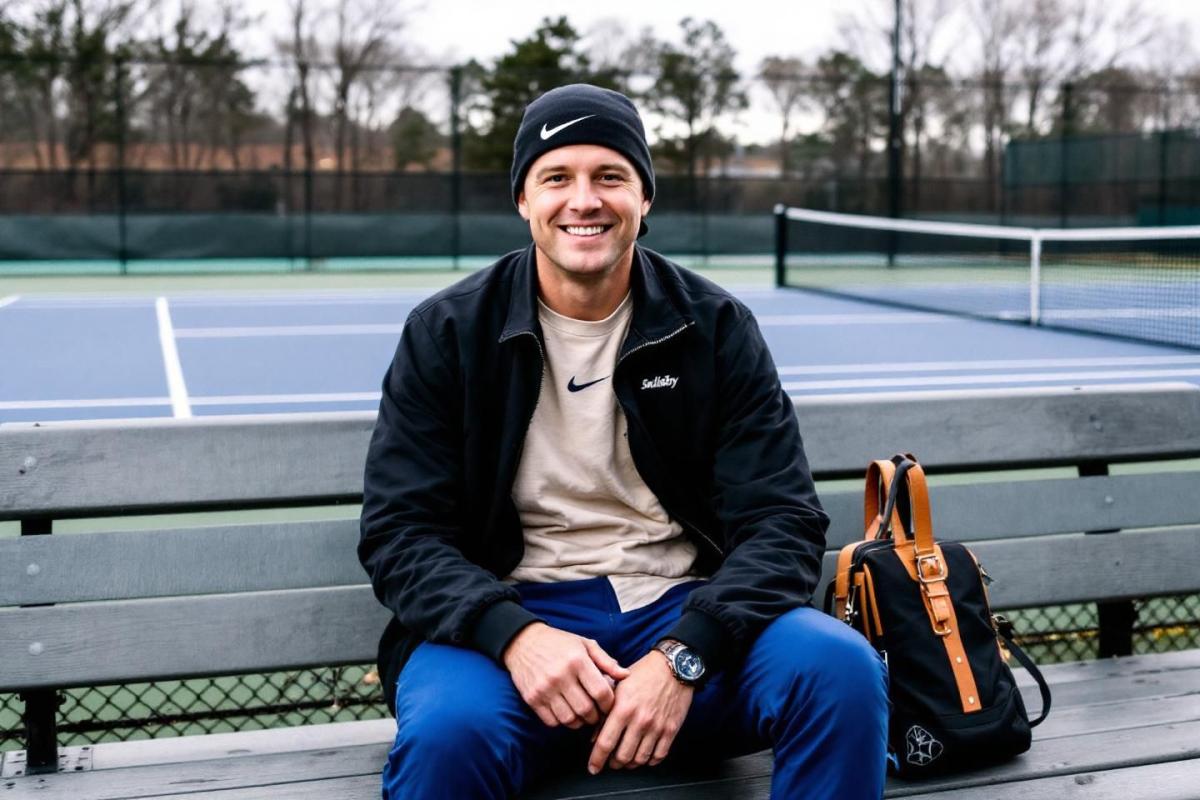
The professional tennis circuit demands unwavering mental fortitude alongside physical prowess, yet even the most decorated athletes sometimes find themselves confronting battles that transcend the boundaries of sport. Joe Salisbury, Britain’s celebrated doubles specialist with six major championships to his name, has made the courageous decision to temporarily step away from competitive tennis. The 33-year-old from London revealed that persistent anxiety symptoms have transformed tournament participation from joy to burden throughout recent months.
The physical manifestations of mental health challenges
Understanding anxiety requires acknowledging its tangible impact on the body. Salisbury’s experience illustrates how psychological distress manifests through concrete physiological responses. The former world number one described experiencing heart palpitations that radiate throughout his entire body, creating sensations that extend far beyond typical pre-match nerves.
These symptoms intensified dramatically during the 2024 season, affecting multiple aspects of daily functioning. The British champion reported a persistent trembling sensation, as though his entire physical structure vibrates constantly. Sleep patterns deteriorated significantly, compounded by gastrointestinal discomfort that interfered with proper nutrition. The cumulative effect created what Salisbury characterizes as an overwhelming sense of impending catastrophe, a psychological state that made tournament participation increasingly difficult to endure.
The following physical indicators emerged as primary concerns :
- Persistent cardiac irregularities and heightened awareness of heartbeat
- Involuntary bodily tremors affecting stability and coordination
- Severe nausea limiting nutritional intake
- Chronic insomnia disrupting recovery patterns
- Pervasive dread creating emotional exhaustion
Une carrière brillante face aux défis invisibles
Salisbury’s professional accomplishments establish him among Britain’s greatest doubles competitors. His ascension to world number one status in 2022 marked a historic achievement, becoming only the second British male to reach that pinnacle in doubles rankings. His trophy collection includes three consecutive US Open titles, alongside triumphs at other Grand Slam tournaments that cemented his reputation as an elite performer.
Throughout this successful trajectory, anxiety appeared intermittently rather than constantly. The champion acknowledged experiencing similar sensations at various career junctures, suggesting these challenges represent recurring patterns rather than isolated incidents. Despite seeking professional therapeutic support, the situation deteriorated sufficiently during autumn tournaments in Asia that radical action became necessary. The decision to withdraw represents acknowledgment that sustained excellence requires comprehensive wellbeing.
| Achievement | Year | Significance |
|---|---|---|
| World number one ranking | 2022 | Second British male in history |
| Grand Slam titles | Career | Six major championships |
| US Open victories | Multiple years | Three consecutive triumphs |
| Final appearances (2024) | 2024 | Six events including majors |
Partnership dynamics and performance under pressure
The 2024 campaign saw Salisbury compete alongside fellow Briton Neal Skupski, forging a partnership that reached six tournament finals. Their combined efforts produced runner-up finishes at prestigious events including Roland Garros, the US Open, and the ATP Finals in Turin. This consistency demonstrates remarkable resilience given the internal struggles occurring simultaneously.
Salisbury maintains his anxiety minimally impacted on-court execution. The partnership’s strong performances, particularly during the season’s latter half, suggest he successfully compartmentalized personal difficulties when competing. However, this achievement came at considerable emotional cost. The mental energy required to maintain competitive standards whilst managing psychological distress proved unsustainable long-term, diminishing enjoyment and creating reluctance toward tournament participation.
The forthcoming separation between Salisbury and Skupski reflects practical necessity rather than partnership failure. With the Liverpudlian committed to playing alongside American Christian Harrison from January onwards, Salisbury expressed openness to reuniting upon his return, contingent on circumstances. This flexible approach acknowledges tennis partnerships frequently evolve based on availability and performance outcomes.
Broader context within professional tennis
Salisbury’s transparency contributes to growing conversations about mental health within elite athletics. He acknowledged initially limiting disclosure to immediate support networks rather than broader tennis circles, recognizing competitive environments sometimes discourage vulnerability. Yet his willingness to speak publicly challenges stigma surrounding psychological struggles in professional sport.
His situation mirrors experiences of other prominent players who prioritized mental wellbeing over competitive schedules. Naomi Osaka openly discussed depression before stepping away in 2021, whilst Amanda Anisimova took extended time away during 2023 after finding tournament environments unbearable. Notably, Anisimova returned to reach major finals at Wimbledon and the US Open, demonstrating that strategic breaks can facilitate recovery and renewed success.
Salisbury’s planned absence extends until April at earliest, allowing substantial time for recovery. His itinerary includes a Kenyan safari, skiing excursions, and Christmas celebrations at home—luxuries rarely available to tennis professionals before the Australian season commences. This deliberate disconnection from tennis aims to restore equilibrium and rediscover enjoyment in competitive sport. The decision reflects wisdom that sustainable careers require periodic recalibration, prioritizing long-term wellbeing over short-term results.

- Amazon lorry becomes latest victim of Salisbury’s notorious ‘killer kerb’ - October 10, 2026
- Amazon lorry becomes latest victim of Salisbury’s notorious ‘killer kerb’ - October 10, 2026
- First openly gay Miss England achieves lifelong dream in historic win - October 9, 2026

