
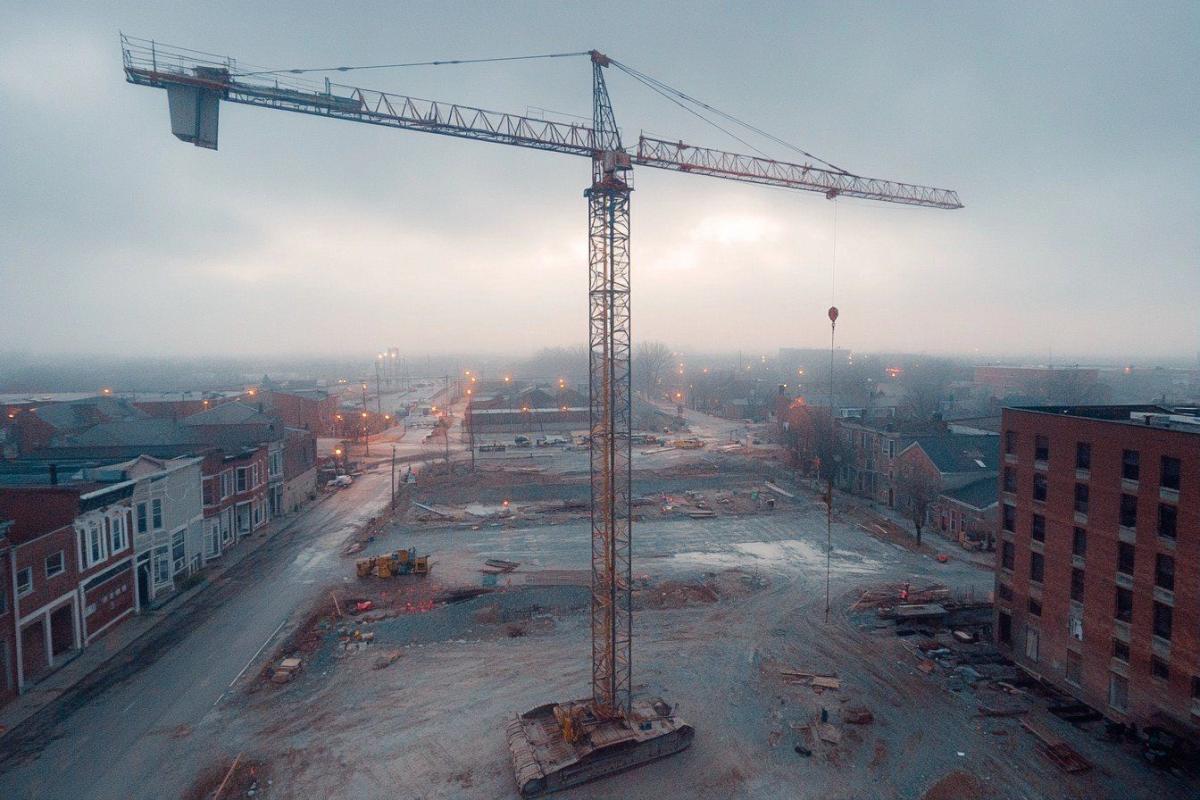
The Salisbury Town Center Apartments (STCA) project faces an unexpected pause as city officials halt the review process. This significant downtown development initiative now stands in limbo following direct intervention from Mayor Randy Taylor. The suspension represents a critical moment for Salisbury’s urban development landscape and raises questions about the future direction of downtown revitalization efforts.
Why the Salisbury downtown development has been suspended
Mayor Randy Taylor recently directed city staff to cease all review activities related to the Salisbury Town Center Apartments project. This major downtown development suspension stems from ongoing legal challenges that have complicated the project’s path forward. The mayor’s directive came via email to project stakeholders, explicitly citing pending litigation as the justification for the halt.
The development pause affects one of the most anticipated projects in Salisbury’s downtown area. According to multiple sources, Mayor Taylor referenced both Circuit Court matters and proceedings before the Salisbury Board of Appeals as reasons for the suspension. These legal hurdles have effectively created a roadblock for the project’s advancement.
When questioned about the mayor’s motivations, project representative Mr. Gillis suggested that Taylor’s actions align with his known opposition to certain downtown development initiatives. “Mayor Taylor makes no secret that litigation is something that he anticipated and, in my view, desired,” Gillis stated, implying that the legal challenges serve the mayor’s agenda regarding downtown development.
The ongoing tensions between Mayor Taylor and other city officials regarding downtown development plans have created a complex political backdrop for this suspension. These disagreements highlight fundamental differences in vision for Salisbury’s urban core.
Legal challenges fueling the development halt
At the center of the Salisbury development controversy are specific legal challenges that have provided grounds for the mayor’s decision. Holly Worthington, a supporter of the mayor’s position, has filed an appeal to the Salisbury Board of Appeals that raises significant questions about the project’s approval process.
Worthington’s appeal centers on several critical allegations regarding procedural compliance:
- The STCA project allegedly failed to submit a comprehensive development plan
- A required community impact statement was reportedly missing from submissions
- The project submittal supposedly lacks information needed to evaluate apartment standards compliance
- The City’s planning commission may have erred in approving the site plan
These legal challenges have created a procedural foundation for Mayor Taylor’s suspension directive. Worthington has explicitly stated her desire for the project to “go back to the drawing board” with a complete reevaluation of its potential impacts on existing downtown infrastructure and businesses.
The Board of Appeals process represents a significant hurdle that must be cleared before the project can potentially resume. This administrative review will examine whether proper procedures were followed during the initial approval process.
Different perspectives on Salisbury’s urban development
The suspension of the STCA project highlights fundamentally different visions for Salisbury’s downtown future. Mayor Taylor has defended his position by stating that the development agreements from the previous administration are “not conducive to the health of the Downtown.” He characterized this assessment as “basic math” rather than a subjective opinion.
In response to allegations that he’s leveraging litigation for his advantage, Mayor Taylor issued a statement calling such claims “blatantly false.” He emphasized his commitment to making Salisbury “a place people want to visit and call home both now and for generations to come,” suggesting his opposition stems from genuine concern for the city’s long-term wellbeing.
| Stakeholder | Position on STCA Project | Key Concerns |
|---|---|---|
| Mayor Randy Taylor | Opposed | Downtown health, long-term viability |
| Holly Worthington | Opposed | Procedural compliance, impact on existing businesses |
| Project Representatives | Supportive | Development progress, economic benefits |
| Previous Administration | Supportive | Urban revitalization, growth opportunities |
Those supporting the project view these developments as politically motivated delays rather than legitimate concerns. They emphasize the potential economic benefits and revitalization opportunities the STCA project could bring to Salisbury’s downtown area.
The contrasting perspectives highlight a broader debate about what constitutes appropriate urban development for mid-sized cities like Salisbury. This fundamental disagreement extends beyond the specific STCA project to encompass differing philosophies about urban planning and economic development.
What the future holds for Salisbury’s downtown plans
As the Salisbury Town Center Apartments project remains suspended, the path forward remains uncertain. The timeline for resolution depends largely on the outcomes of both the Circuit Court proceedings and the Salisbury Board of Appeals deliberations. These legal processes could extend the suspension for months or potentially lead to a complete reconsideration of the project.
Several potential outcomes exist for the STCA development:
- The project could resume with minimal changes once legal challenges are resolved
- Significant modifications might be required to address procedural concerns
- A complete redesign could be mandated to align with new administrative priorities
- The project might be permanently shelved if legal and political obstacles prove insurmountable
The suspension’s impact extends beyond the STCA project itself, potentially affecting investor confidence in Salisbury’s development landscape. Other downtown initiatives may face increased scrutiny or hesitation from developers concerned about similar challenges.
As this situation continues to evolve, stakeholders on all sides will be closely monitoring the legal proceedings and administrative decisions that will ultimately determine the fate of this major downtown development project in Salisbury. The resolution of this matter may establish precedents that shape Salisbury’s urban development approach for years to come.

- Prehistoric artifacts older than Stonehenge found at Palace of Westminster - October 14, 2026
- Prehistoric artifacts older than Stonehenge found at Palace of Westminster - October 14, 2026
- Salisbury dedicates Christmas tree to former mayor in touching tribute parade - October 13, 2026

