
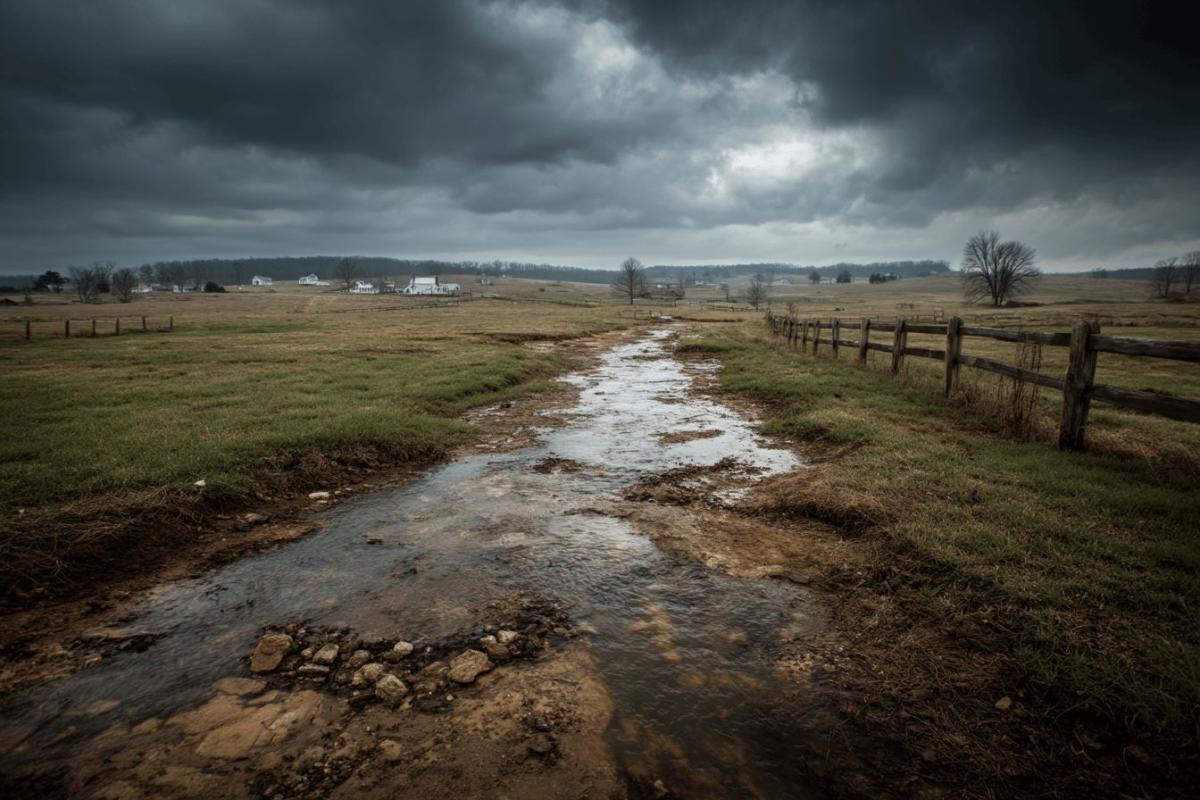
The extensive PFAS contamination around Perdue’s Salisbury facility has shaken the local community in Maryland. Recent testing reveals the scale of this environmental crisis is far larger than initially reported, with groundwater contamination affecting hundreds of residential wells. The situation has triggered health concerns, legal action, and urgent remediation efforts as local residents face uncertain futures in their long-established homes.
Growing scale of PFAS contamination in Salisbury
According to the latest test results released by Perdue Farms, at least 356 residential wells have been contaminated by PFAS chemicals near their Salisbury plant. This represents a significant portion of the 920 homes in the suspected contamination zone, with approximately 97% of wells now tested. The data clearly illustrates the massive scope of this environmental disaster affecting the Maryland community.
The contamination crisis first became public in September 2024, prompting immediate action from both Perdue and Maryland’s Department of Environment. Initial groundwater testing at the Perdue facility on Zion Church Road revealed contamination levels more than 340 times the EPA threshold at one sample location. This discovery initiated urgent community testing throughout the surrounding neighborhoods.
PFAS substances, commonly called “forever chemicals,” pose serious health risks because they don’t break down naturally in the environment. They accumulate in human bodies over time, potentially leading to various health complications. The EPA has identified numerous health risks associated with these compounds:
- Increased cancer risks
- Immune system suppression
- Hormonal disruption
- Reproductive issues
- Other chronic health conditions
The contamination timeline reveals a troubling progression. PFAS was initially detected in the plant’s wastewater in 2023, but regulators indicate it wasn’t until August 2024 that testing confirmed the chemicals had leached into groundwater beyond the facility. By September 2024, Maryland’s Department of Environment formally designated Perdue as a “responsible party” and ordered immediate remediation actions. While visiting the affected area, residents can still discover the best places to visit in Salisbury despite these environmental challenges.
Investigation into contamination sources and health impacts
The exact source of the PFAS contamination remains under investigation, though several potential contributors have been identified. A 2019 firefighting foam spill is considered a likely cause according to Perdue representatives. However, Maryland’s Department of Environment has expanded its investigation to include additional potential sources, including:
| Potential Contamination Source | Timeline | Current Status |
|---|---|---|
| Firefighting foam spill | 2019 | Under investigation |
| Spray irrigation fields | Since 1989 | Positive PFAS test results |
| Stockpiled soils | Unknown | Under investigation |
| Plant wastewater treatment effluent | Ongoing | Under investigation |
The health consequences for local residents appear significant. Rachel Chaney, a 45-year-old resident living half a mile from the facility, fears her lifelong home may have contributed to her serious health issues. Chaney, who has survived intrauterine cancer, reports various health problems affecting her family, including asthma, autoimmune disorders, and hormone imbalances. Her health struggles date back to 2009, raising questions about potential long-term exposure.
“All of our houses have some kind of contamination,” Chaney stated in an interview. “It’s my home. I know my neighbors. And I know that they’re suffering just as much as we are.”
Her concerns are shared by many in the community who have joined a federal class-action lawsuit against Perdue. The legal filing claims Chaney’s health conditions were “proximately caused by consumption and use of contaminated water and drinking water, drawn from the groundwater contaminated by Perdue.” However, the company has fought to dismiss the case, arguing there’s insufficient scientific evidence linking specific illnesses to the pollution.
Response efforts and ongoing challenges
Perdue Farms has implemented several immediate response measures to address the contamination crisis. The company is providing bottled water to all affected residents and installing elaborate filtration systems in homes testing above the EPA’s threshold of four parts per trillion. Drew Getty, Vice President of Environmental Sustainability at Perdue, emphasized their commitment to transparency through a dedicated resource website supporting the local community.
“Our goal is to be transparent, to share information with the community,” Getty stated. He noted that when PFAS was first discovered in the plant’s wastewater in 2023, the EPA had not yet established its current threshold for these chemicals. Both Perdue and Maryland’s Department of Environment characterize PFAS contamination as an “emerging issue” without established protocols.
Critics argue these measures come too late. Chase Brockstedt, an attorney representing residents in the class-action lawsuit, alleges Perdue knew about the risk for nearly a year before warning the public. “We know before we got involved, for more than a year, they didn’t even warn the public not to drink the water,” he claimed.
Maryland’s Department of Environment spokesman Jay Apperson defended the investigation timeline, stating: “This wasn’t about delay. It was about getting the facts straight, making sure the science supported our next steps, and then moving quickly to ensure a safe solution.”
For residents like Chaney, the damage appears irreversible. She has already sold one family property and plans to leave the area where she’s lived since childhood. With remarkable resignation, she reflected on the permanent nature of PFAS contamination: “It can cause a lot of cancers, it can cause a lot of health problems, and it doesn’t just go away. In my autopsy report, I’m sure it will be found.”

- Three children charged with murder in court following man’s death - March 22, 2026
- Three children charged with murder in court following man’s death - March 22, 2026
- Fire breaks out in field near Stonehenge world heritage site - March 21, 2026

