
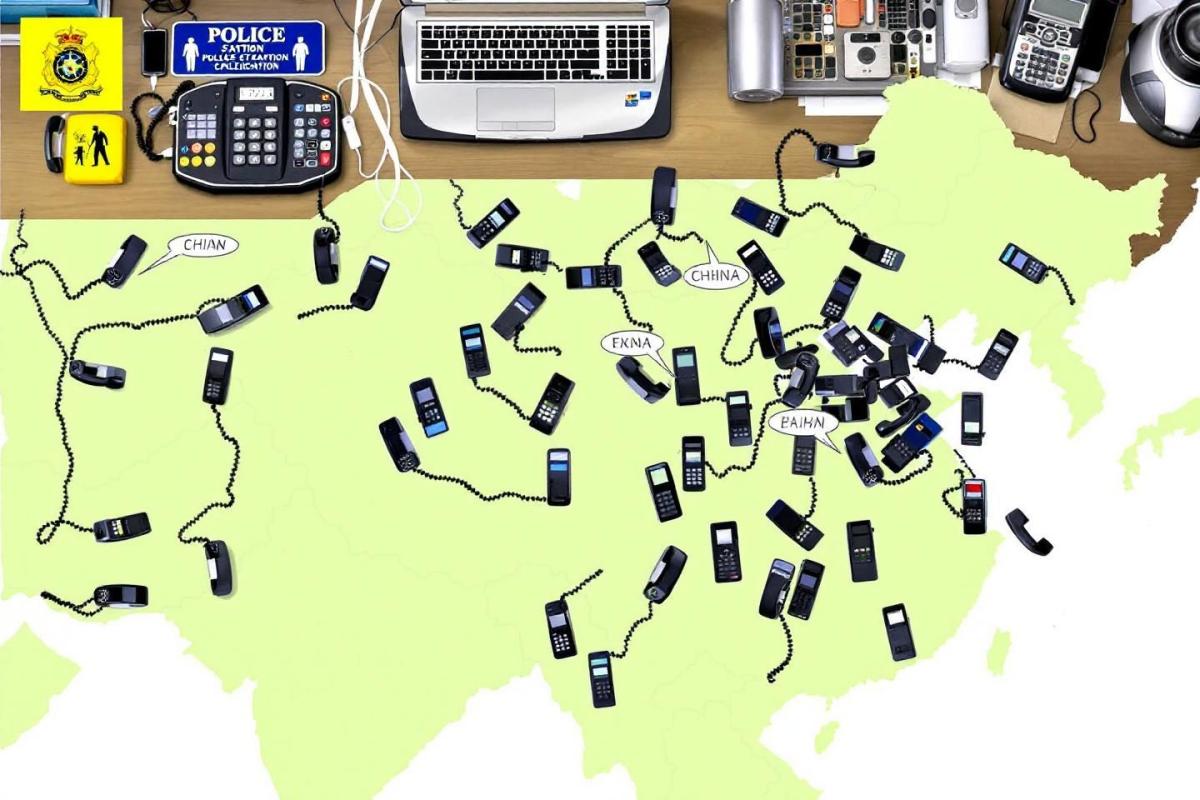
Metropolitan Police investigators have successfully dismantled what authorities describe as the UK’s most sophisticated mobile phone smuggling network. The criminal enterprise allegedly exported approximately 40,000 stolen devices to international markets, primarily targeting Chinese consumers willing to pay premium prices for Western smartphones.
Christmas Eve discovery triggers massive investigation
The breakthrough came during the holiday season when a victim used Apple’s tracking technology to locate their stolen iPhone. Detective Inspector Mark Gavin explained how this single device led officers to a warehouse near Heathrow Airport, where security personnel discovered the phone among 894 other devices packed for shipment.
This initial discovery revealed the sophisticated nature of the operation. Officers found that nearly all phones in the shipment had been reported stolen, destined for Hong Kong markets. Forensic analysis of packaging materials helped investigators identify key suspects and understand the gang’s operational methods.
The warehouse seizure demonstrated the industrial scale of phone theft affecting London. Police estimate this criminal network handled up to 40% of all mobile devices stolen in the capital, representing millions of pounds in stolen property annually.
Subsequent investigations revealed the gang’s preference for Apple products due to their high resale value in overseas markets. Stolen iPhones could fetch up to £4,000 each in China, where internet-enabled devices help users bypass government censorship restrictions.
Dramatic arrests expose organized criminal network
Police bodycam footage captured officers conducting a high-risk vehicle interception, with some personnel drawing Tasers during the operation. Inside the suspects’ car, investigators discovered phones wrapped in foil – a technique criminals use to block tracking signals during transportation.
| Suspect Profile | Nationality | Age | Charges |
|---|---|---|---|
| Primary suspects | Afghan | 30s | Conspiracy to receive stolen goods |
| Additional suspect | Indian | 29 | Conspiracy to conceal criminal property |
| Recent arrests | Various (including Bulgarian) | Mixed | Theft and handling stolen goods |
The two Afghan nationals arrested during the vehicle stop had dozens of phones in their possession. Searches of properties linked to these suspects uncovered approximately 2,000 additional stolen devices, revealing the massive scope of their operation.
A third suspect, a 29-year-old Indian national, faces identical charges for his role in the conspiracy. Later raids resulted in 15 additional arrests, predominantly women, including a Bulgarian national suspected of participating in the theft network.
Dawn raids across London and Hertfordshire targeted 28 properties simultaneously, demonstrating the geographic spread of this criminal enterprise. Officers recovered 30 more devices during these early morning operations, further expanding the evidence base.
London’s phone theft epidemic reaches crisis levels
Statistics reveal the alarming growth of mobile phone theft in the capital. The number of stolen devices has nearly tripled from 28,609 in 2020 to 80,588 in 2024, making London responsible for three-quarters of all UK phone thefts.
Tourist areas suffer particularly high theft rates, with Westminster and the West End becoming notorious hotspots. Over 20 million annual visitors to London create attractive targets for organized theft gangs operating sophisticated networks.
National crime statistics show “theft from the person” increased 15% across England and Wales, reaching levels not seen since 2003. The growing demand for second-hand phones, both domestically and internationally, drives this criminal trend :
- Street thieves receive up to £300 per stolen handset
- Organized gangs export devices to high-value overseas markets
- Chinese consumers pay premium prices for Western smartphones
- Criminals abandon drug dealing for more lucrative phone theft
Policing Minister Sarah Jones highlighted how criminals are shifting from drug dealing to phone theft due to higher profit margins and perceived lower risks. This trend reflects the evolving nature of organized crime in urban environments.
Police response and victim concerns about security measures
Commander Andrew Featherstone described this operation as the UK’s largest crackdown on mobile phone theft, targeting criminal networks from street-level thieves to international smuggling organizations. The Metropolitan Police deployed significant resources across multiple operational phases.
However, victim criticism continues regarding police responsiveness to phone theft reports. Many complainants express frustration when officers don’t respond to real-time location data from tracking apps like Find My iPhone.
Natalie Mitchell’s experience exemplifies victim concerns after her Oxford Street phone theft. She described feeling unsafe in central London and criticized police for inadequate surveillance and prevention measures in high-crime areas.
The Metropolitan Police reports positive crime reduction statistics, with personal robbery down 13% and theft decreased 14% this year. Additional officers are joining West End teams specifically to combat phone-related crimes.
Despite operational successes, the force faces significant budget constraints, requiring cuts of nearly 2,000 officers and various services to address a £260 million funding shortfall. These financial pressures may impact future crime prevention capabilities.

- England league-union hybrid match proposed for 2026 - October 16, 2026
- England league-union hybrid match proposed for 2026 - October 16, 2026
- Body found in Salisbury with no signs of foul play, police say - October 15, 2026

