
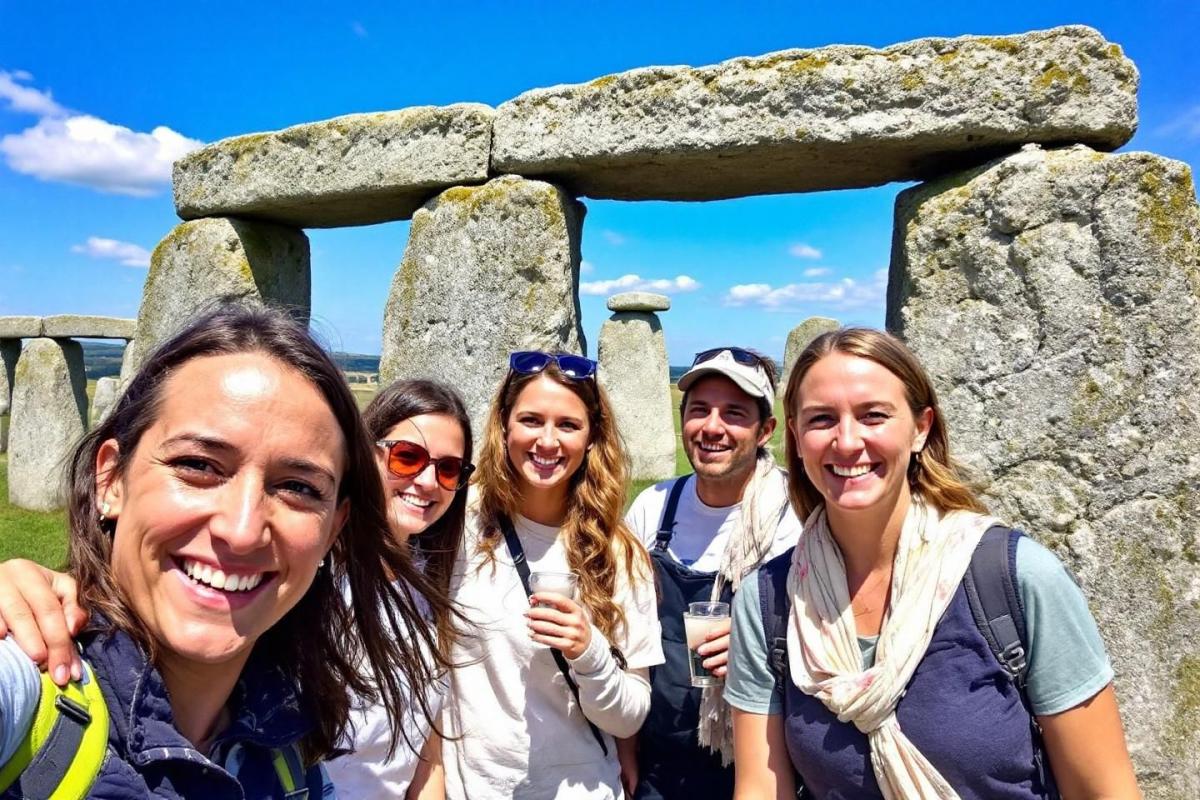
The announcement to cancel the Development Consent Order for the A303 Stonehenge road project has sparked considerable relief among heritage protection groups. Representatives from organisations dedicated to preserving archaeological landscapes have expressed their satisfaction with Transport Secretary Heidi Alexander’s proposal to revoke the planning permission. This decision marks a significant turning point in a debate that has divided opinions for years, pitting infrastructure development against cultural heritage conservation. The controversial scheme, which would have dramatically altered the surroundings of one of Britain’s most iconic ancient monuments, faced sustained opposition from those who argued its implementation would cause irreparable harm to an area of exceptional historical importance.
Heritage groups celebrate government’s decision to reverse tunnel approval
Mike Birkin, acting chairman of the Stonehenge Alliance, emphasised the fundamental importance of protecting the entire landscape designated as a World Heritage Site. His organisation has consistently maintained that this recognition extends far beyond the standing stones themselves to encompass a broader area filled with prehistoric monuments. According to Mr Birkin, the designation of the WHS represents acknowledgment of a landscape rich with archaeological treasures that possess incalculable scientific and cultural value to humanity.
The opposition to the tunnel project garnered substantial international support, with approximately 250,000 petitioners from around the globe expressing their concerns. This widespread backing demonstrates the universal significance of the Stonehenge landscape and the global interest in its preservation. The planning inspectors who originally assessed the proposal recommended its rejection, a position supported by UNESCO’s heritage experts who raised serious concerns about the potential impact on the site. The Alliance views the DCO revocation as a necessary step to ensure long-term protection of this irreplaceable archaeological landscape.
Critics of the scheme characterised the Development Consent Order as fundamentally flawed, arguing it would have introduced unprecedented physical changes to an area that has remained relatively unchanged for millennia. Planning inspectors noted that the project represented a greater transformation to the landscape than any event in its 6,000-year history as a place of profound human significance. For visitors planning to experience this historic site during peak times, checking travel information for major events remains essential for a smooth journey.
Economic considerations behind the infrastructure project cancellation
Beyond heritage concerns, financial viability played a crucial role in the decision to abandon the tunnel scheme. Mr Birkin highlighted that in the current economic environment, pursuing this expensive project would be unrealistic. The Alliance pointed out that without demonstrable heritage benefits, the return on investment would have been negative, making it difficult to justify the substantial public expenditure required.
A National Audit Office assessment revealed troubling findings about the broader A303 corridor improvements :
| Aspect | National Audit Office findings |
|---|---|
| Investment case | Weak justification for other corridor schemes |
| Financial feasibility | Eight additional schemes deemed unaffordable |
| Stonehenge tunnel impact | Minimal contribution to South West connectivity |
| Overall value | Negative return on investment without heritage benefit |
The Alliance characterised the tunnel as little more than a hyper-extravagant local bypass that would not significantly improve connectivity to the South West region. This assessment challenges the original justification for the project, which emphasised improved transport links as a primary benefit. The organisation argued that the enormous cost could not be justified given the limited practical improvements to regional connectivity.
Alternative transport solutions for regional development
While celebrating the DCO revocation, heritage campaigners acknowledged that cancelling the scheme leaves broader connectivity challenges unresolved. The Alliance has called for a fundamental rethinking of transport investment priorities in the region, advocating for alternative solutions that could deliver better outcomes at lower cost.
The group specifically highlighted deficiencies in the region’s rail infrastructure, noting its degraded condition and vulnerability to extreme weather events. They propose redirecting funds saved from the cancelled road project toward railway improvements and other sustainable transport options. This approach, they argue, would support economic growth while respecting environmental and heritage considerations.
Key priorities for alternative transport investment include :
- Railway infrastructure upgrades to improve reliability and capacity
- Weather resilience improvements for existing rail networks
- Sustainable transport solutions that minimise environmental impact
- Strategic investments supporting business expansion and job creation
- Infrastructure developments facilitating housing growth across the region
The Alliance emphasised that thoughtful reinvestment of saved funds could deliver multiple benefits including improved business connectivity, employment opportunities, and residential development throughout the South West. This integrated approach to transport planning, they suggest, offers better long-term value than the single-focus road scheme.
Long-term implications for archaeological landscape protection
The revocation decision sets an important precedent for balancing infrastructure development with cultural heritage preservation. By aligning with the Planning Inspectorate’s original recommendation, the government has reinforced the principle that World Heritage Site status carries meaningful protection beyond symbolic recognition.
For the Stonehenge Alliance, this outcome represents vindication of their sustained campaign to prevent what they viewed as irreversible damage to an archaeological landscape of global importance. The organisation continues to advocate for comprehensive long-term protection measures that will safeguard the site for future generations while addressing legitimate regional development needs through alternative approaches.

- Tourist tax to be introduced across England for overnight visitors - October 6, 2026
- Huge Neolithic structure found in Stonehenge landscape reveals ancient secrets - October 5, 2026
- Woman found in connection to child death case in Wicomico County - October 4, 2026

