
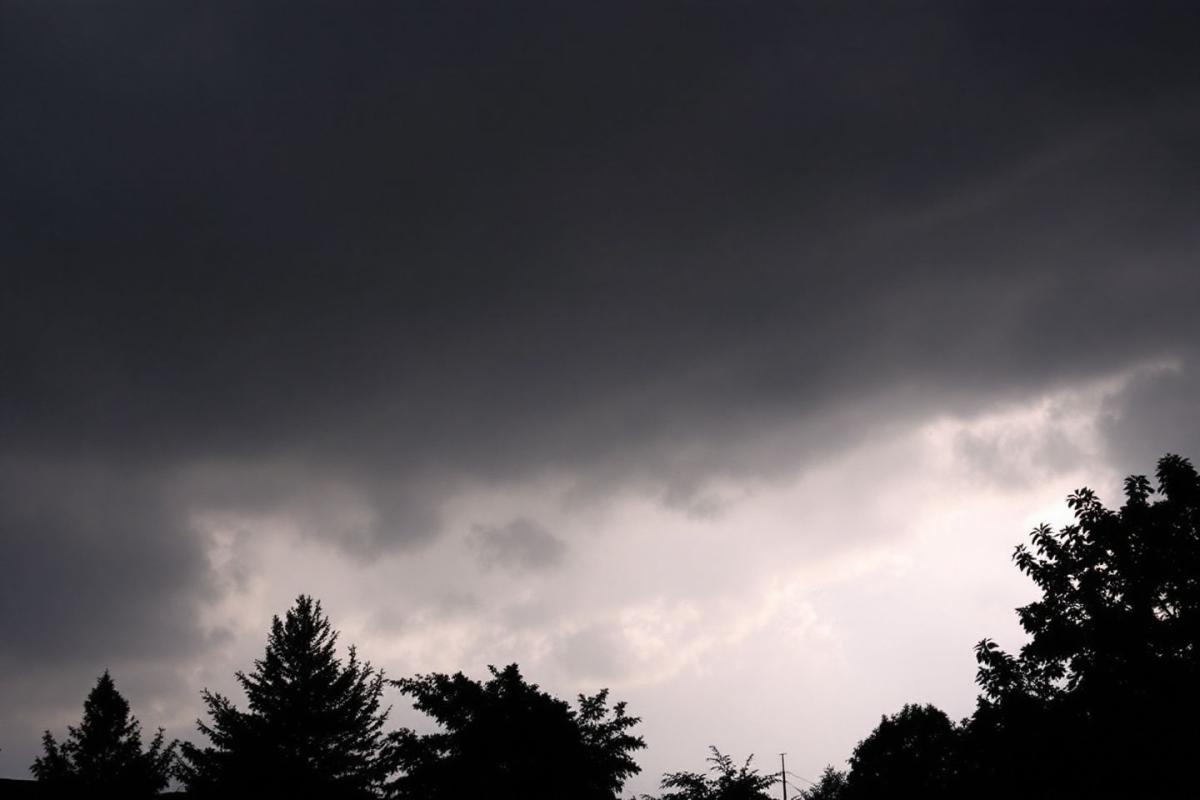
Meteorological authorities across the United Kingdom issued comprehensive warnings as Storm Amy’s powerful weather system swept through the region, delivering unprecedented atmospheric conditions. The storm system established a new benchmark for atmospheric pressure measurements during October, recording 947.9 hectoPascals at Baltasound, Shetland. This exceptional reading surpassed the previous record of 950.9hPa set in 1988, demonstrating the storm’s remarkable intensity.
The atmospheric pressure phenomenon occurs when Earth’s atmosphere exerts force on surface areas, measured in hectoPascals or millibars. During low-pressure events like Storm Amy, weather patterns become significantly unsettled, creating ideal conditions for severe meteorological disturbances. These measurements provide crucial data for meteorologists to assess storm severity and predict potential impacts on affected regions.
Transport networks face unprecedented challenges across affected regions
Railway operators experienced substantial disruptions as multiple fallen trees blocked critical transportation routes throughout the weekend. ScotRail reported approximately 80 trees had fallen across various lines, requiring extensive engineering assessments before normal service resumption. Engineers conducted thorough safety inspections on affected routes, prioritizing passenger safety over operational schedules.
The Glasgow Central station suspended all outbound services until Saturday afternoon, affecting thousands of commuters and travelers. By evening, additional route closures impacted services between Glasgow and popular destinations including Mallaig, Oban, and Wemyss Bay. Similarly, the Inverness to Aberdeen corridor experienced complete shutdowns due to hazardous conditions.
| Transport Mode | Impact Level | Recovery Timeline |
|---|---|---|
| Rail Services | Severe disruption | 48-72 hours |
| Ferry Operations | Complete suspension | 24-48 hours |
| Air Travel | Moderate delays | 12-24 hours |
| Road Networks | Localized closures | 6-12 hours |
Ferry services across Scottish waters faced complete suspension due to dangerous sea conditions, while airport authorities advised passengers to verify flight statuses before departure. The Police Service of Northern Ireland confirmed the rail network’s complete shutdown on Friday following multiple tree failures across tracks.
Power infrastructure suffers extensive damage from extreme weather conditions
Thousands of households across Scotland and Northern Ireland lost electrical power as high winds damaged distribution networks. Utility companies mobilized emergency response teams to address widespread outages, though restoration efforts faced delays due to ongoing hazardous conditions. The storm’s intensity created particularly challenging circumstances for repair crews attempting to restore services safely.
Wind speeds exceeded 100mph in exposed coastal areas, generating sufficient force to topple power lines and damage electrical infrastructure. These extreme conditions necessitated comprehensive safety protocols before repair teams could begin restoration work. Priority was given to essential services including hospitals, emergency services, and vulnerable community facilities.
The following areas experienced the most significant power disruptions :
- Highland regions of Scotland with mountainous terrain exposure
- Coastal communities in Northern Ireland facing direct Atlantic weather systems
- Island communities throughout the Scottish archipelago
- Urban areas with aging electrical infrastructure networks
Safety measures implemented across public spaces and recreational facilities
London’s eight Royal Parks implemented unprecedented closure measures on Saturday, prioritizing visitor and staff safety above all considerations. Park authorities announced delayed Sunday opening times pending comprehensive safety inspections of trees, structures, and pathways. This precautionary approach demonstrated responsible facility management during extreme weather events.
A statement from Royal Parks emphasized their commitment to visitor safety, acknowledging the necessity of thorough inspections before reopening. High-sided vehicle restrictions were imposed on various bridges throughout affected regions, preventing potential accidents from wind-induced vehicle instability. These measures proved essential as gusts reached dangerous levels across exposed routes.
Emergency services reported weather-related incidents, including a fatality in the Republic of Ireland involving a man in his forties. Additionally, a derelict building collapsed in Glasgow, highlighting the storm’s destructive potential beyond immediate weather impacts. These incidents underscored the importance of comprehensive safety measures during severe weather events.
Recovery outlook and future weather system developments
Storm Amy’s trajectory indicated movement toward the North Sea by Sunday, promising improved conditions for the weekend’s conclusion. Meteorologists predicted significantly drier weather patterns with reduced wind speeds as the system progressed eastward. This favorable shift allowed emergency services and utility companies to accelerate restoration efforts across affected regions.
The storm naming system operates through collaboration between the Met Office, Met Éireann, and Dutch weather service KNMI. Annual name lists feature both male and female selections chosen by public participation, with storms receiving designation when forecast impacts reach medium to high severity levels. The next designated storm will be named Bram, continuing the alphabetical progression established for the current season.
Weather forecasting authorities emphasized the importance of preparedness as Atlantic storm seasons continue through autumn months. Climate patterns suggest continued potential for significant weather events, requiring ongoing vigilance from both authorities and residents throughout vulnerable regions. Recovery efforts from Storm Amy provided valuable lessons for future extreme weather response protocols.

- England league-union hybrid match proposed for 2026 - October 16, 2026
- England league-union hybrid match proposed for 2026 - October 16, 2026
- Body found in Salisbury with no signs of foul play, police say - October 15, 2026

