

As the United Kingdom braces for yet another severe weather event, Storm Darragh is set to unleash its fury across large swathes of the country. With amber wind warnings in place, residents are advised to prepare for potentially dangerous conditions, including gusts reaching up to 80mph. This fourth named storm of the season promises to bring not only powerful winds but also heavy rainfall, posing significant risks to public safety and infrastructure.
Amber alert : Preparing for storm darragh’s impact
The Met Office has issued an amber warning for wind, covering extensive areas of the UK. This alert, spanning from South Ayrshire in Scotland down to Cornwall, as well as Northern Ireland, is scheduled to be in effect from 3am to 9pm on Saturday. The severity of this warning underscores the potential for widespread disruption and damage across affected regions.
Storm Darragh’s approach has prompted meteorologists to predict gusts of up to 80mph, accompanied by heavy rainfall. These conditions are expected to create a perfect storm of hazards, including :
- Flying debris posing risks to life and limb
- Potential damage to buildings, particularly roof tiles
- Widespread power outages
- Large, dangerous waves along coastal areas
- Road and bridge closures
- Falling trees adding to the peril
Simon Partridge, a senior forecaster at the Met Office, emphasizes the gravity of the situation, stating, “Unless you really need to be going out in this on Saturday, it’s best to avoid it, particularly if you live in any of those areas covered by the amber wind warning.” He further warns of “very dangerous” conditions, especially in coastal regions where the storm’s impact is expected to be most severe.
Understanding the storm’s origins and implications
Storm Darragh’s formation can be attributed to areas of low pressure being propelled towards Britain by the jet stream. This powerful flow of winds high in the atmosphere is anticipated to reach extraordinary speeds, with its core potentially exceeding 240mph. The intensity of the jet stream is fueled by cold air masses sweeping across the northern United States and Canada.
The naming of Storm Darragh follows the Met Office’s alphabetical convention for storm designation. This system helps in raising public awareness and preparedness for severe weather events. As the fourth named storm of the season, Darragh succeeds its predecessors Ashley, Bert, and Conall.
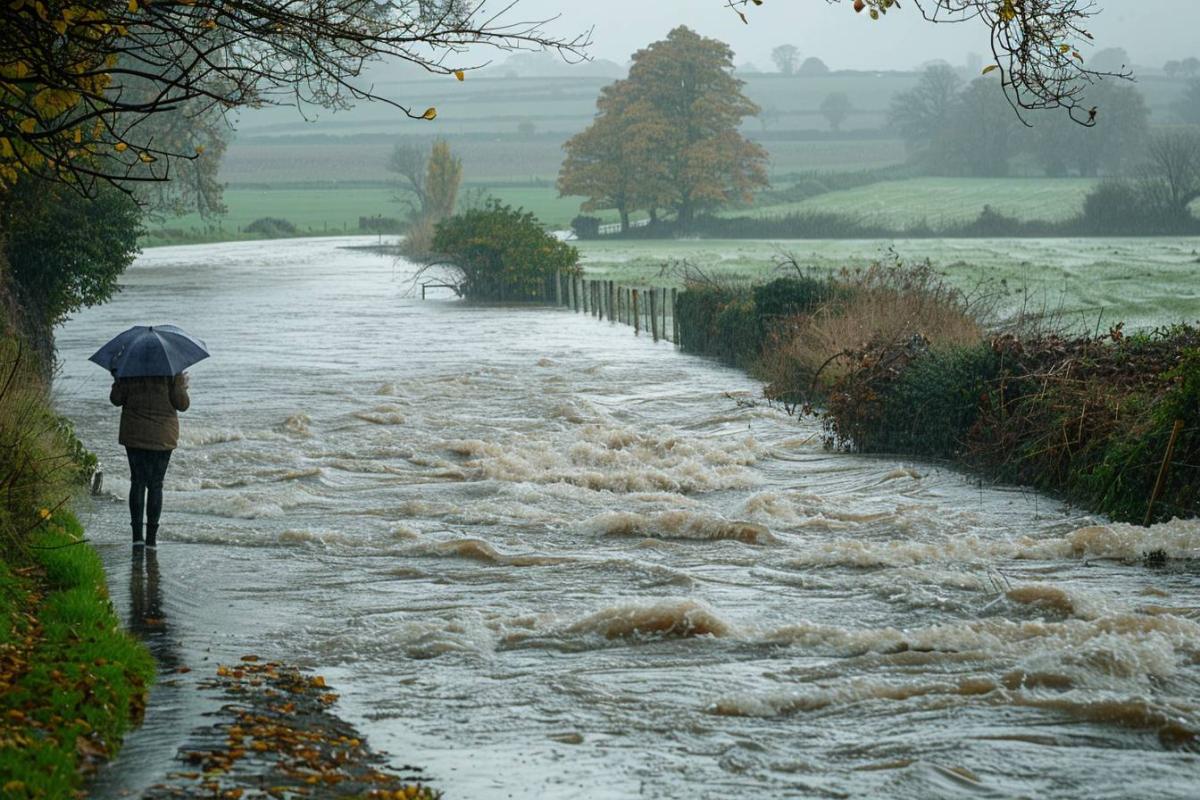
It’s crucial to note that the frequency and intensity of such extreme weather events have been increasingly linked to climate change. Warmer air can hold more water vapor, leading to more intense rainfall. This phenomenon has likely contributed to the rising occurrence of flooding in many parts of the UK, although other factors such as flood defences and land use also play significant roles.
Preparedness and safety measures
Given the severity of the impending storm, it’s imperative for residents in affected areas to take necessary precautions. Here’s a comprehensive list of safety measures to consider :
- Secure outdoor items that could be blown away
- Stay indoors during the peak of the storm
- Prepare emergency kits with essentials
- Charge mobile devices in case of power outages
- Stay informed through official weather channels
Additionally, it’s advisable to check on vulnerable neighbors and ensure pets are safely indoors. Travelers should be particularly cautious, as road conditions may become treacherous. Economic impacts of severe weather can be significant, affecting various sectors including transportation and commerce.
Historical context and future implications
Storm Darragh arrives on the heels of recent flooding incidents that raised questions about the adequacy of weather warnings. Last week, Storm Bert caused significant damage in parts of south Wales and south-west England, with some areas experiencing a month’s worth of rain in a short period. This pattern of extreme weather events underscores the need for improved forecasting and warning systems.
Looking ahead, the implications of such intense storms extend beyond immediate safety concerns. They highlight the urgent need for climate adaptation strategies and infrastructure resilience. As the UK grapples with the increasing frequency of severe weather, policymakers and urban planners must consider long-term solutions to mitigate risks and protect communities.
| Storm Impact | Short-term Effects | Long-term Considerations |
|---|---|---|
| Infrastructure Damage | Power outages, road closures | Improved building codes, resilient power grids |
| Flooding | Property damage, evacuations | Enhanced flood defenses, sustainable urban drainage |
| Economic Disruption | Business closures, travel delays | Climate-resilient economic planning |
As Storm Darragh approaches, the UK faces yet another test of its resilience against extreme weather. The coming days will reveal the full extent of the storm’s impact, but one thing remains clear : the need for continued vigilance, improved preparedness, and long-term planning in the face of our changing climate. Residents are urged to stay safe, follow official guidance, and support one another through this challenging weather event.

- Salisbury dedicates Christmas tree to former mayor in touching tribute parade - October 13, 2026
- Salisbury dedicates Christmas tree to former mayor in touching tribute parade - October 13, 2026
- Flood alerts issued across England and Wales as heavy rainfall warning announced - October 12, 2026

