
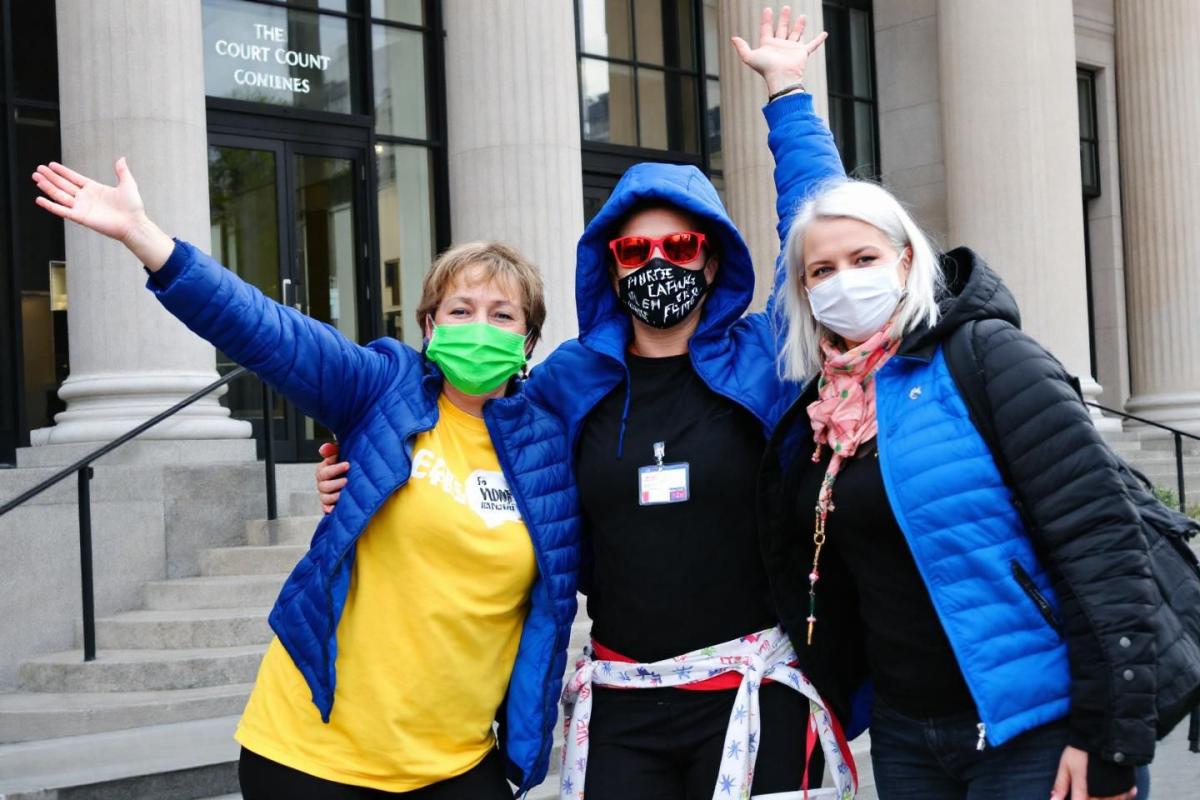
A landmark verdict at Salisbury Crown Court has vindicated three environmental campaigners who faced criminal charges following their orange powder protest at the ancient Stonehenge monument. The jury’s decision to acquit Rajan Naidu, Niamh Lynch, and Luke Watson represents a significant victory for peaceful protest rights in the United Kingdom, marking a crucial precedent for future environmental demonstrations.
The case centered on a June 2024 demonstration when activists targeted the UNESCO World Heritage site using non-permanent orange powder. This action occurred strategically one day before the summer solstice celebrations, when approximately 15,000 visitors were expected to gather at the prehistoric megalithic structure on Salisbury Plain in Wiltshire.
Legal victory based on human rights defense
The defendants successfully argued their case by invoking human rights law as their primary defense strategy. While acknowledging their participation in the demonstration, the three activists maintained that their actions fell under legitimate freedom of speech and protest protections. This legal approach proved decisive in securing their acquittal on both criminal damage and public nuisance charges.
Defense attorney Francesca Cociani emphasized the broader implications of the verdict, stating it upholds essential democratic society pillars. The lawyer expressed concern about the ongoing erosion of protest rights, highlighting how this case demonstrates the importance of protecting peaceful demonstration freedoms. The jury’s decision reinforces constitutional protections for environmental activists facing similar prosecutions.
The court proceedings revealed the careful consideration given to balancing property protection against fundamental civil liberties. Prosecutors had characterized the demonstration as “blatant and clear vandalism” at a site visited by millions annually. However, the defense successfully argued that the non-permanent nature of the orange powder and the activists’ legitimate environmental concerns warranted legal protection.
| Defendant | Age | Role in Protest | Charges |
|---|---|---|---|
| Rajan Naidu | 74 | Sprayed orange powder | Criminal damage, Public nuisance |
| Niamh Lynch | 23 | Sprayed orange powder | Criminal damage, Public nuisance |
| Luke Watson | 36 | Participated in demonstration | Criminal damage, Public nuisance |
Just Stop Oil campaign objectives and methods
The environmental group Just Stop Oil orchestrated this demonstration as part of their broader campaign against fossil fuel expansion. The organization specifically chose Stonehenge due to its cultural significance and the timing coincided with maximum media attention during solstice preparations. Their strategic approach aimed to highlight climate concerns while generating widespread public discourse.
Remarkably, Just Stop Oil announced the end of their protest activities earlier in 2024, claiming success in achieving their primary objective of preventing new UK oil and gas project approvals. This development adds context to the Stonehenge demonstration, positioning it as part of the group’s final campaign phase before declaring victory in their environmental advocacy efforts.
The activists’ choice of orange powder was deliberately calculated to create visual impact without causing permanent damage to the ancient stones. This tactical decision proved crucial in their legal defense, as forensic evidence confirmed no lasting harm to the 5,000-year-old monument. The temporary nature of their protest method strengthened their human rights arguments in court. For context, other environmental protesters have previously faced charges, as seen when Stonehenge protesters plead not guilty to Just Stop Oil paint charges in earlier demonstrations.
Reactions and implications for environmental activism
Following the verdict, defendant Niamh Lynch expressed her humanitarian motivations, simply wanting “things to be better, fair and right.” Her statement encapsulates the moral imperative driving many environmental activists who risk legal consequences for their beliefs. Luke Watson characterized the two-week trial as a waste of public resources, while expressing relief at the outcome.
The case has broader implications for environmental activism across the UK, as similar demonstrations continue targeting various cultural landmarks and infrastructure sites. Legal experts suggest this verdict may encourage other activists while providing a framework for human rights-based defenses in future prosecutions.
Key factors contributing to the acquittal include :
- Non-permanent protest methods that caused no lasting damage
- Constitutional protection of peaceful demonstration rights
- Legitimate environmental concerns underlying the action
- Strategic legal arguments invoking human rights law
Impact on future environmental demonstrations and legal precedent
This acquittal establishes important legal precedent for environmental activists facing similar charges across the United Kingdom. The successful human rights defense strategy provides a template for future cases, potentially encouraging more creative protest methods that avoid permanent property damage while maintaining symbolic impact.
The timing of this verdict coincides with increasing climate activism worldwide, as environmental groups intensify efforts to prevent fossil fuel expansion. Legal observers note that this case demonstrates how activists can successfully challenge prosecutions when their methods remain within constitutional boundaries and serve legitimate public interest purposes.
The Salisbury Crown Court decision reinforces the principle that peaceful environmental protest deserves legal protection, even when targeting culturally significant sites. This balance between heritage preservation and democratic rights will likely influence future prosecutorial decisions and activist strategies across the environmental movement.

- England league-union hybrid match proposed for 2026 - October 16, 2026
- England league-union hybrid match proposed for 2026 - October 16, 2026
- Body found in Salisbury with no signs of foul play, police say - October 15, 2026

