
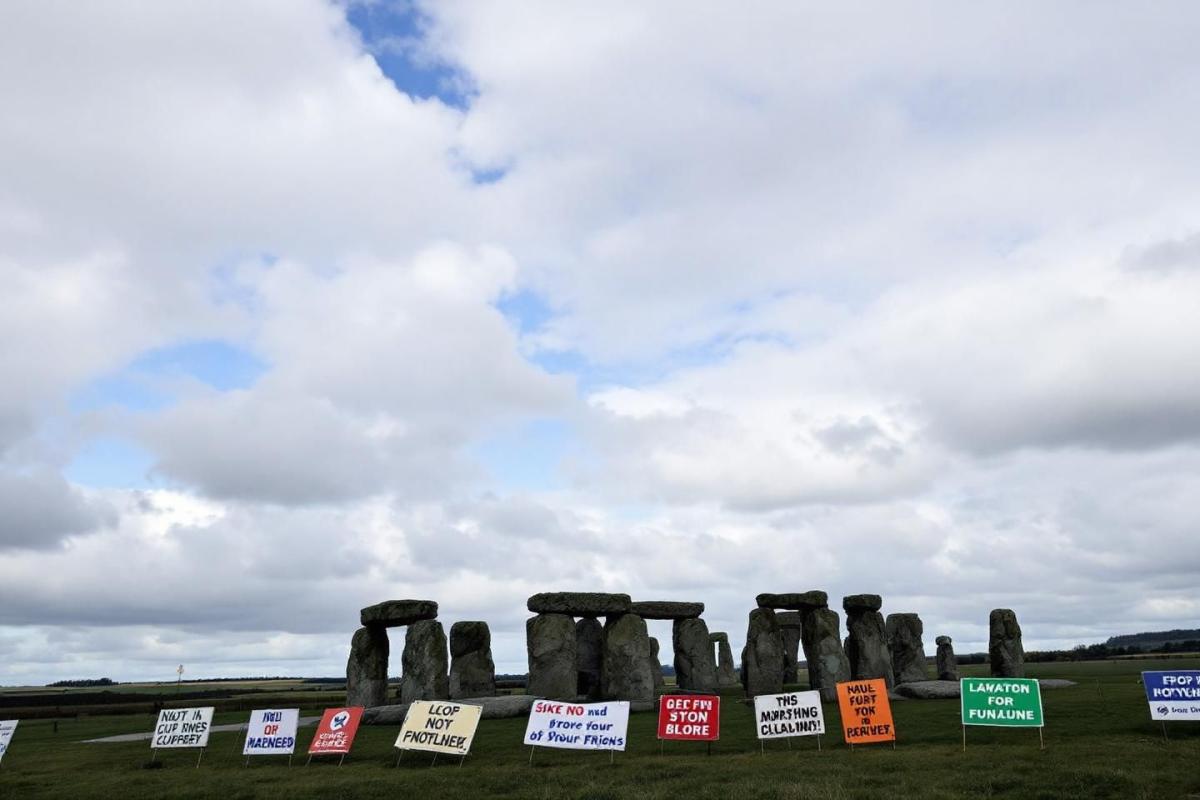
The A303 tunnel project near Stonehenge remains a contentious topic in 2025, despite its official cancellation by the government last year. This ambitious £2bn infrastructure scheme continues to divide opinion between those who see it as essential for regional development and heritage campaigners who warn of irreversible damage to one of Britain’s most significant archaeological landscapes. Understanding why this debate persists requires examining the complex interplay of economic priorities, archaeological preservation, and local community needs.
The economic and practical arguments driving tunnel support
Local authorities across the south-west have consistently championed the tunnel scheme, viewing it as crucial infrastructure investment for regional economic growth. Wiltshire Council expressed strong disapproval when the government proposed revoking the development consent order, describing the decision as completely unacceptable. Their position reflects wider concerns that cancelling the project undermines decades of planning and investment in improving connectivity between London and the south-west peninsula.
The current A303 configuration creates significant bottlenecks that ripple through surrounding rural communities. Paul McKernan, a parish councillor in Shrewton, describes how his village experiences gridlock every Friday without exception when traffic diversions occur. These disruptions have become routine rather than exceptional, severely impacting residents’ quality of life and local businesses. The narrow country lanes simply cannot accommodate the volume of vehicles seeking alternative routes when the main road encounters problems.
Supporters argue that dualling this section of the A303 would address chronic congestion issues, whilst placing it underground would achieve the additional benefit of reconnecting the ancient landscape currently bisected by the road. For communities like Shrewton, the tunnel represents the only viable solution to their traffic woes. McKernan emphasizes that abandoning the project wastes forty years of effort and pushes any resolution generations into the future, leaving residents to endure continuing disruption.
Archaeological concerns and heritage protection priorities
Opposition to the tunnel centres on protecting irreplaceable archaeological resources within the Stonehenge World Heritage Site. Professor David Jacques, who has conducted extensive excavations at Blick Mead, an ancient spring predating Stonehenge by millennia, warns that construction would likely destroy crucial environmental evidence. This site contains material dating back thousands of years before the famous stone circle, providing invaluable insights into prehistoric life and the monument’s origins. Interestingly, research has shown connections to other ancient structures, such as ancient stone circles in Dorset that may have inspired Stonehenge’s design.
The archaeologist characterizes the Stonehenge landscape as an absolutely precious and unique jewel that cannot be restored once damaged. Whilst acknowledging genuine traffic problems exist, Professor Jacques firmly rejects the tunnel as an appropriate solution. His perspective represents broader concerns within the heritage community about balancing modern infrastructure needs against preserving sites of global cultural significance for future generations.
UNESCO previously expressed reservations about the scheme, reflecting international concern about potential impacts on the World Heritage Site. The designation encompasses not just the stone circle itself but the entire surrounding landscape, recognizing that Stonehenge’s cultural value extends beyond the monument to include its environmental context and viewsheds. Campaigners successfully delayed the project through high court challenges, though their final legal attempt ultimately failed before the government cancelled the scheme on financial grounds.
Financial considerations and planning permission complications
The government’s decision to revoke the development consent order stems from what officials describe as exceptional circumstances within challenging financial constraints. By the cancellation point, approximately £180m had already been spent on development and planning for the £2bn project. The Department for Transport stated it must prioritize projects delivering value for taxpayers, noting it invests nearly £5bn annually in the UK’s road network across various schemes.
However, revoking planning permission creates additional complications beyond simply shelving the project. This action means any future revival would require starting the entire planning process from scratch, adding years of delay and potentially millions in additional costs. The following table illustrates the project’s timeline and key milestones :
| Phase | Status | Investment |
|---|---|---|
| Initial planning and consultation | Completed | £180m spent |
| Development consent granted | Approved then revoked | N/A |
| Construction phase | Never commenced | £2bn estimated total |
| Future revival potential | Requires complete restart | Additional costs unknown |
Mike Birkin, acting chair of the Stonehenge Alliance, welcomed the proposal to revoke permission, viewing it as lifting a weight from the future of the World Heritage Site. His organization represents the opposing perspective that prioritizes archaeological preservation over infrastructure development, regardless of economic arguments.
The ongoing stalemate and absence of alternatives
Perhaps the most frustrating aspect for all parties involves the lack of alternative solutions being proposed. Neither supporters nor opponents have presented viable compromise options that might address traffic concerns whilst protecting archaeological resources. This vacuum of alternatives perpetuates the debate, with each side maintaining their positions without progress toward resolution.
The tunnel controversy illustrates several fundamental tensions in modern infrastructure planning :
- Economic development versus heritage preservation – balancing regional growth needs against protecting irreplaceable cultural assets
- Local impact versus national significance – addressing community disruption whilst safeguarding sites of international importance
- Short-term financial constraints versus long-term investment – managing immediate budget pressures against infrastructure needs spanning generations
- Democratic decision-making versus expert opinion – weighing public support against specialist archaeological and heritage advice
As Stonehenge remains visible from the current A303 alignment, and traffic continues affecting nearby villages, the underlying issues persist unresolved. Without government commitment to developing alternative approaches, communities face indefinite continuation of existing problems, whilst the World Heritage Site remains vulnerable to future development pressures. The tunnel debate encapsulates broader questions about how Britain balances modernization with protecting its ancient heritage in an era of constrained public finances and competing priorities.

- Body found in Salisbury with no signs of foul play, police say - October 15, 2026
- Prehistoric artifacts older than Stonehenge found at Palace of Westminster - October 14, 2026
- Prehistoric artifacts older than Stonehenge found at Palace of Westminster - October 14, 2026

