
A concerning incident at Piedmont Correctional Institution in Salisbury, North Carolina, has highlighted the ongoing challenges faced by detention facilities dealing with wildlife intrusions. Three individuals in custody received prophylactic rabies treatment following direct contact with bats that had gained access to prison cellblocks over a recent weekend period.
The North Carolina Department of Adult Correction confirmed that the affected inmates attempted to capture the intruding bats and sustained scratches during these encounters. While no bite injuries occurred, medical professionals recommended immediate preventive treatment as a precautionary measure against potential rabies transmission.
Bat intrusions plague correctional facility operations
The Salisbury prison facility has been grappling with persistent bat intrusion problems that continue to challenge facility management and security protocols. Despite ongoing efforts to seal access points and implement control measures, these flying mammals consistently discover new pathways into the institution’s interior spaces.
Facility administrators have acknowledged the complexity of the situation, noting that bats demonstrate remarkable adaptability in finding alternative entry routes. The weekend incident involved two separate cellblocks, indicating the widespread nature of the intrusion problem throughout the correctional institution’s infrastructure.
Prison officials have enlisted professional contractors to address the persistent wildlife access issues. These specialists have implemented various control strategies, including the installation of specialized one-way cones at identified entry points. This approach allows bats to exit the facility while preventing their return through the same openings.
| Control Method | Description | Effectiveness |
|---|---|---|
| One-way cones | Devices allowing exit but preventing re-entry | Temporary solution |
| Access point sealing | Permanent closure of identified entry routes | Long-term effectiveness |
| Professional assessment | Expert evaluation of facility vulnerabilities | Prevention focused |
Medical response and rabies prevention protocols
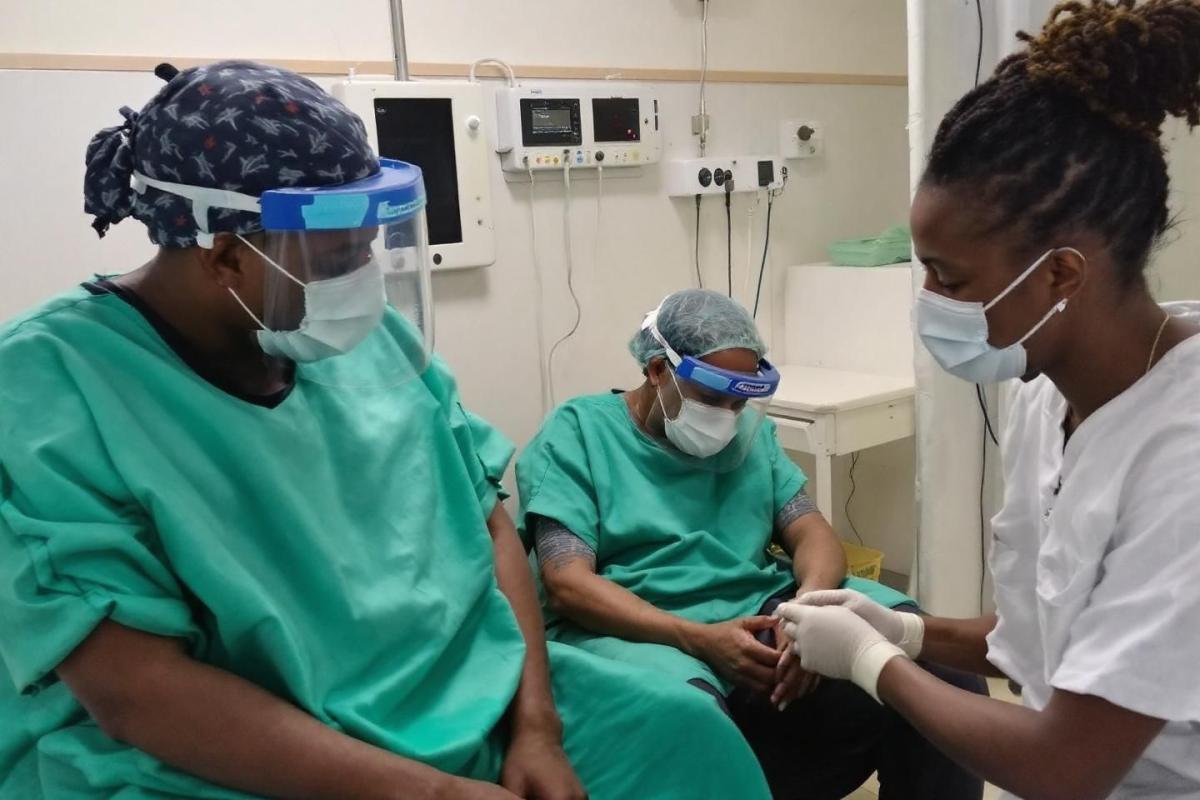
The swift medical response to the bat encounter incidents demonstrates the seriousness with which correctional facilities approach potential rabies exposure situations. Healthcare professionals transported the three affected inmates to an external medical facility for comprehensive evaluation and treatment initiation.
Prophylactic rabies treatment represents a critical preventive measure in cases where potential exposure to the rabies virus occurs. This treatment protocol involves a series of vaccinations administered over a specific timeframe to build immunity before any possible viral symptoms can develop.
The decision to pursue preventive treatment reflects medical best practices for wildlife encounters, particularly involving species known to carry rabies. Bats represent one of the primary rabies vectors in North America, making any direct contact with these animals a legitimate health concern requiring immediate medical attention.
- Immediate assessment of injury severity and exposure risk
- Transportation to qualified medical facility for evaluation
- Administration of prophylactic rabies vaccination series
- Monitoring of patients throughout treatment period
- Return to correctional facility following medical clearance
Wildlife management challenges in institutional settings
Correctional facilities face unique challenges when addressing wildlife intrusion problems due to their complex architectural designs and security requirements. The need to maintain secure perimeters while preventing animal access creates operational complications that require specialized solutions.
The ongoing nature of the bat problem at Piedmont Correctional Institution illustrates how persistent these wildlife management issues can become. Even after implementing initial control measures, animals often adapt and find alternative access routes, necessitating continuous monitoring and response protocols.
Professional wildlife control specialists play a crucial role in developing comprehensive solutions for institutional settings. Their expertise in animal behavior patterns and exclusion techniques provides facilities with evidence-based approaches to long-term wildlife management challenges.
Health risks and safety considerations for correctional populations
The rabies exposure incident underscores the particular vulnerability of incarcerated populations to wildlife-related health risks. Limited mobility and confined living spaces can increase the likelihood of direct contact with intruding animals, potentially leading to exposure situations.
Correctional institutions must balance security protocols with appropriate wildlife management strategies to protect resident populations. This includes developing clear procedures for reporting animal intrusions and establishing rapid response protocols for potential exposure incidents.
The successful management of this particular incident demonstrates the importance of having established medical response procedures for wildlife encounters within correctional settings. Quick identification of potential exposure risks and immediate access to appropriate medical care can prevent serious health complications for affected individuals.

- Once-extinct European wildcats set to make a comeback in England - September 21, 2026
- Joe Salisbury takes break from tennis due to anxiety struggles - September 20, 2026
- Andy Haldane slams Budget 2025 for repeated policy mistakes - September 19, 2026

