
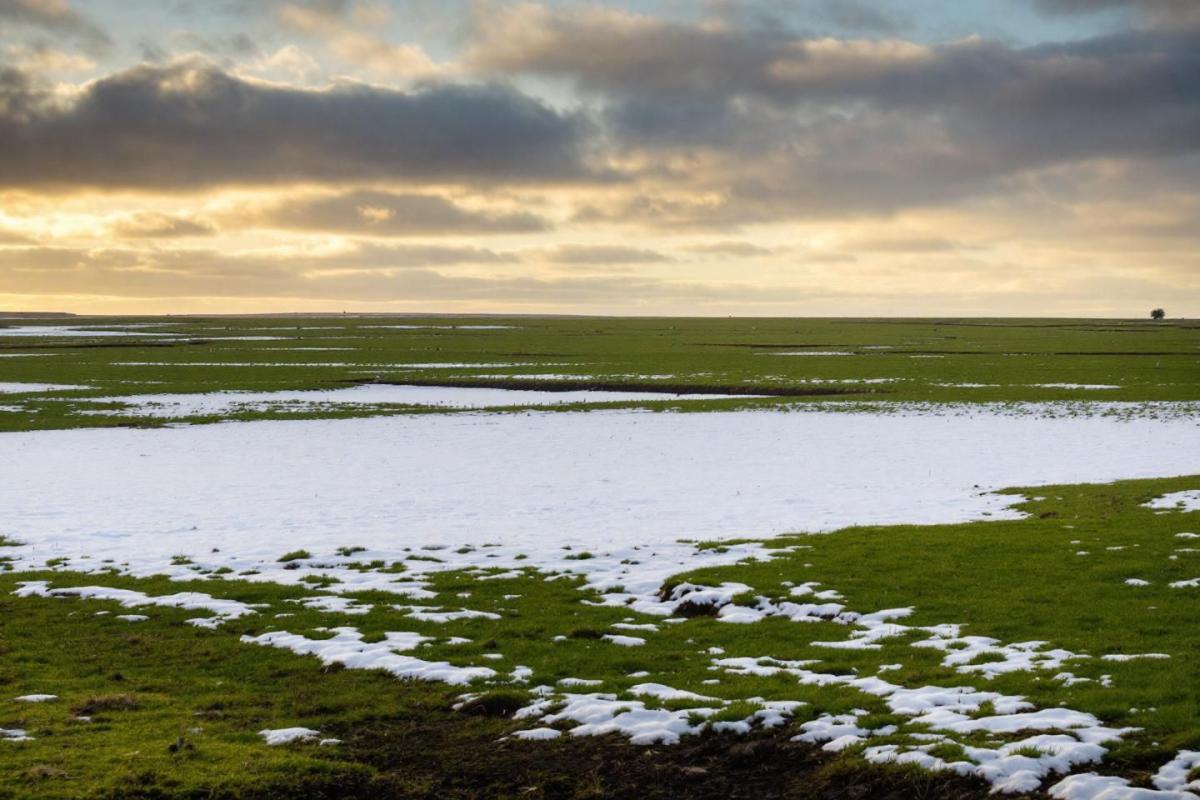
The United Kingdom endured what meteorologists describe as one of the most severe cold snaps in recent memory, with temperatures plummeting to record-breaking lows across multiple regions. As this intense freeze gradually releases its grip on the nation, residents can expect notably warmer conditions to emerge over the coming days. The transition from arctic conditions to milder temperatures marks a significant shift in weather patterns that will bring relief to millions who have struggled through challenging circumstances.
Forecasters from the Met Office documented exceptionally frigid conditions, with some Scottish locations registering temperatures as low as -12C. Communities across England and Wales similarly experienced harsh conditions, with thermometers dropping to -7C in numerous areas. These extreme readings prompted widespread disruption across transportation networks, educational institutions, and daily routines for countless households.
Understanding the atmospheric shift bringing warmer temperatures
The dramatic change in weather conditions stems from a high-pressure ridge moving across British airspace. Meteorologist Simon Partridge explained that this atmospheric formation fundamentally alters the weather dynamics that created the prolonged freeze. The most crucial factor involves significantly reduced wind speeds, which allows for a more stable temperature profile compared to previous nights when gusting conditions exacerbated the cold.
This meteorological development represents a natural progression as weather systems evolve. The ridge effectively blocks the flow of arctic air that had dominated the region, replacing it with maritime air masses from western approaches. These warmer air currents originate over the Atlantic Ocean, where temperatures remain relatively moderate throughout winter months. The shift doesn’t occur instantaneously but gradually transforms conditions over a 24 to 48-hour period.
According to professional forecasters, the transition marks the conclusion of the most severe cold period, with temperatures expected to return to seasonal averages by the weekend. This normalisation process brings both advantages and challenges. While communities welcome the respite from dangerous cold, the warming trend introduces new weather phenomena that require attention. For those interested in detailed coverage of recent winter conditions affecting South England, comprehensive analysis remains available.
| Region | Coldest temperature recorded | Expected weekend temperature |
|---|---|---|
| Scotland | -12C | 4-6C |
| England & Wales | -7C | 6-8C |
| Oxfordshire | -6.6C | 7-9C |
Impact of the freeze on communities and infrastructure
The prolonged cold period created substantial challenges for educational facilities, with hundreds of schools closing doors temporarily. These closures resulted from multiple factors including hazardous road conditions, frozen water systems, and power outages affecting heating infrastructure. Educational authorities prioritised student safety, making difficult decisions to suspend operations until conditions improved sufficiently.
Transportation networks experienced considerable strain throughout the freeze. Road surfaces became treacherous as ice formed on carriageways, particularly during overnight hours when temperatures reached their lowest points. North Yorkshire faced particularly demanding conditions, prompting extensive gritting operations to maintain road safety. Highway maintenance teams worked continuously, deploying salt and grit across priority routes.
Commuters received specific guidance during this period :
- Allow additional five minutes minimum for journey times
- Pedestrians should utilise pavements along main roads where gritting occurs more frequently
- Cyclists are advised to use main carriageways rather than cycle paths
- Vehicle operators should ensure adequate screen wash and check tyre conditions
Health services across affected regions implemented public safety campaigns addressing the risks posed by icy surfaces. NHS Greater Glasgow and Clyde promoted an unconventional but effective technique : walking like a penguin. Laura Halcrow, representing the health trust, emphasised that this waddling gait significantly reduces fall risks on slippery surfaces. The technique involves taking shorter steps, keeping the centre of gravity over the front leg, and maintaining a slightly forward-leaning posture.
What to expect as conditions evolve
As the freeze subsides, weather patterns will introduce new characteristics to the atmospheric mix. The milder temperatures arriving over the weekend won’t bring uninterrupted pleasant conditions. Instead, forecasters predict wet and windy weather will accompany the temperature rise. Heavy precipitation is anticipated, with rainfall potentially reaching significant accumulation levels in western-facing regions.
Sky’s weather presenter Jo Wheeler described the British weather as characteristically fickle, noting that the westerly flow bringing milder conditions may prove temporary. Indications suggest another shift toward chilly northerly patterns could follow relatively quickly. This oscillation between weather regimes exemplifies the complex atmospheric dynamics affecting the United Kingdom’s climate.
Early morning conditions continue to feature yellow weather warnings for ice across seven distinct zones covering England, Wales, and Scotland. These alerts, issued by the Met Office, remain active through mid-morning hours before expiring as temperatures climb above freezing. Precipitation during this transitional period may fall as rain at lower elevations, whilst higher ground could receive sleet or small hail. Elevated areas might accumulate up to 3cm of snow before conditions definitively turn milder.
Health alerts covering northeastern and northwestern England were upgraded to amber status, reflecting the serious risks posed by sustained cold exposure. These warnings, alongside yellow alerts elsewhere, expire as warmer air establishes dominance. Medical professionals remind vulnerable populations, particularly elderly residents, to maintain vigilance during the transition period when conditions remain unpredictable.

- Change to forecast imminent after big freeze brings milder weather conditions - September 23, 2026
- Once-extinct European wildcats set to make a comeback in England - September 21, 2026
- Joe Salisbury takes break from tennis due to anxiety struggles - September 20, 2026

