
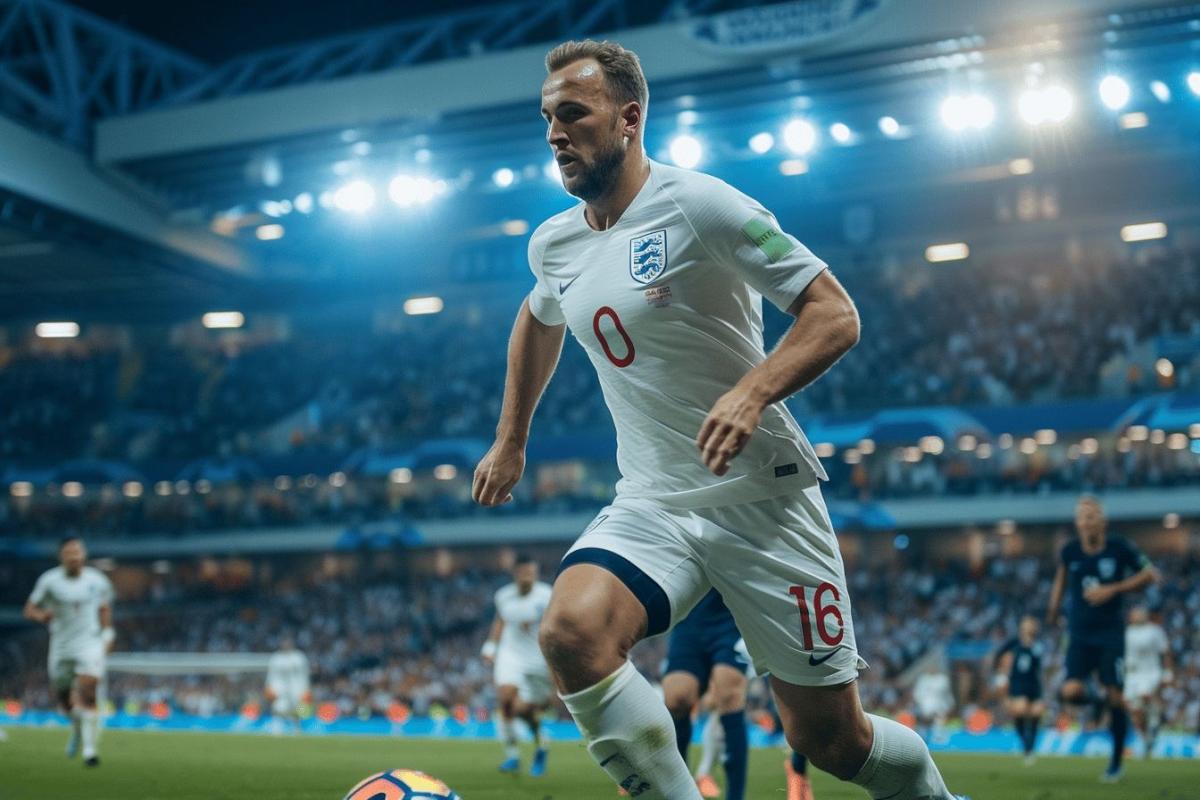
Thomas Tuchel’s debut as England’s manager has sparked immense interest among football enthusiasts worldwide. His first match against Albania showcased tactical shifts and new player approaches that merit detailed analysis. Let’s examine how each player performed in this World Cup qualifier and what their ratings reveal about Tuchel’s emerging strategy for the national team.
Standout performances in Tuchel’s tactical system
In Tuchel’s inaugural match as England manager, several players delivered exceptional performances that highlighted the potential of his tactical approach. Myles Lewis-Skelly’s full England debut proved to be historic as the 18-year-old Arsenal defender became the youngest player to score on his senior England debut, earning him an impressive 8/10 rating.
The midfield orchestration was primarily handled by Jude Bellingham, who demonstrated his playmaking abilities with a superb assist for Lewis-Skelly’s opener. Bellingham consistently looked to create opportunities through precise passes and dribbling against Albania’s disciplined defensive line. His performance warranted a solid 7/10 rating.
Harry Kane maintained his captain’s responsibilities admirably, adapting to Tuchel’s tactical demands by pressing high and remaining in advanced positions – a notable contrast to his deeper-lying role during last summer’s European Championship. Kane’s trademark finishing skills were on full display with an excellent touch and finish, confirming his status as England’s first-choice striker and securing a well-deserved 7/10 rating.
Ezri Konsa exhibited composure at the back, effectively neutralizing Albania’s limited attacking threats. His tidiness in defense earned him a 7/10 rating and potentially strengthened his position in Tuchel’s plans for the 2026 World Cup campaign. As injuries continue to impact the squad, new talents like Morgan Rogers who recently joined the England camp also received opportunities to impress.
Defensive stability and transition play
Tuchel’s defensive setup demonstrated promising signs of stability despite featuring two debutants. Dan Burn, making his first England start, delivered a generally solid performance highlighted by crucial blocks and aerial presence. The Newcastle defender even came close to scoring, hitting the crossbar with a header from a set-piece. Despite occasional nervous moments, including a slight misunderstanding with Pickford, Burn managed a respectable 6/10 rating.
Kyle Walker provided width from the right-back position in Tuchel’s four-man defense. His experience proved valuable alongside less experienced defenders, making key interceptions when needed. Though Albania’s limited attacking threat made defensive assessment challenging, Walker’s contribution received a 6/10 rating.
The defensive transitions were facilitated by Declan Rice, who occupied the deepest midfield position. While not severely tested defensively, Rice efficiently distributed the ball to attacking players and maintained circulation. His clever pass for Kane’s goal demonstrated his creative capabilities beyond defensive duties, earning him a 7/10 rating.
Jordan Pickford had minimal involvement defensively, facing few shots requiring saves. However, his distribution remained consistently effective, securing him a solid 6/10 performance rating in Tuchel’s system that appears to emphasize building from the back.
| Defensive Player | Rating | Key Contribution |
|---|---|---|
| Jordan Pickford | 6/10 | Reliable distribution |
| Kyle Walker | 6/10 | Width in attack, key interception |
| Ezri Konsa | 7/10 | Composed defending |
| Dan Burn | 6/10 | Crucial blocks, set-piece threat |
| Myles Lewis-Skelly | 8/10 | Historic debut goal |
Attacking options and substitution impact
England’s attacking structure revealed both promising elements and areas requiring improvement under Tuchel’s guidance. Marcus Rashford linked effectively with Bellingham on the left flank, consistently attempting to beat his defender while demonstrating the pressing intensity Tuchel demanded. After a quieter second half, Rashford was substituted, having earned a 6/10 rating.
Phil Foden struggled to make a significant impact, operating from his less-preferred right-wing position. Despite his undoubted technical quality, Foden found it challenging to penetrate Albania’s compact defensive structure, resulting in a below-par 5/10 rating – the lowest among England’s starting eleven.
Curtis Jones made his third England start, occasionally showcasing the midfield qualities that have made him integral to Liverpool’s season. His ability to link play and make penetrating runs into the box earned him a 6/10 rating before being replaced in the 74th minute.
Tuchel’s substitutions offered glimpses into his potential tactical flexibility:
- Morgan Rogers entered in a deeper central role, intended to utilize his dribbling skills and physical presence against Albania’s stubborn defense
- Jarrod Bowen replaced Foden but had limited opportunities after England’s second goal reduced the match’s intensity
- Anthony Gordon showed potential on the left attack, suggesting an interesting competition developing for that position
- Jordan Henderson provided midfield stability as England comfortably closed out the victory
- Reece James received insufficient playing time for meaningful assessment
What Tuchel’s first selection reveals about England’s future
Analyzing player performances from Tuchel’s debut provides valuable insights into England’s potential evolution under his management. The tactical emphasis on higher pressing, particularly from forwards like Kane, represents a significant shift from previous approaches. This renewed defensive intensity combined with positional flexibility suggests Tuchel is implementing principles that served him well at club level.
The integration of young talents like Lewis-Skelly alongside established stars indicates Tuchel’s willingness to balance experience with fresh energy. His positioning decisions – particularly regarding Foden and the midfield structure – will likely undergo refinement as he better understands his personnel.
While a comfortable victory against Albania provides limited defensive assessment, the emerging patterns of play reveal Tuchel’s preference for technically proficient defenders capable of participating in build-up phases. The upcoming fixtures against stronger opposition will offer more definitive evidence of England’s defensive resilience under the new tactical framework.
As England progresses toward the 2026 World Cup qualification campaign, these early player ratings provide a foundation for tracking individual development within Tuchel’s evolving system. The balance between tactical cohesion and individual brilliance will ultimately determine whether Tuchel can guide England to international success.


