
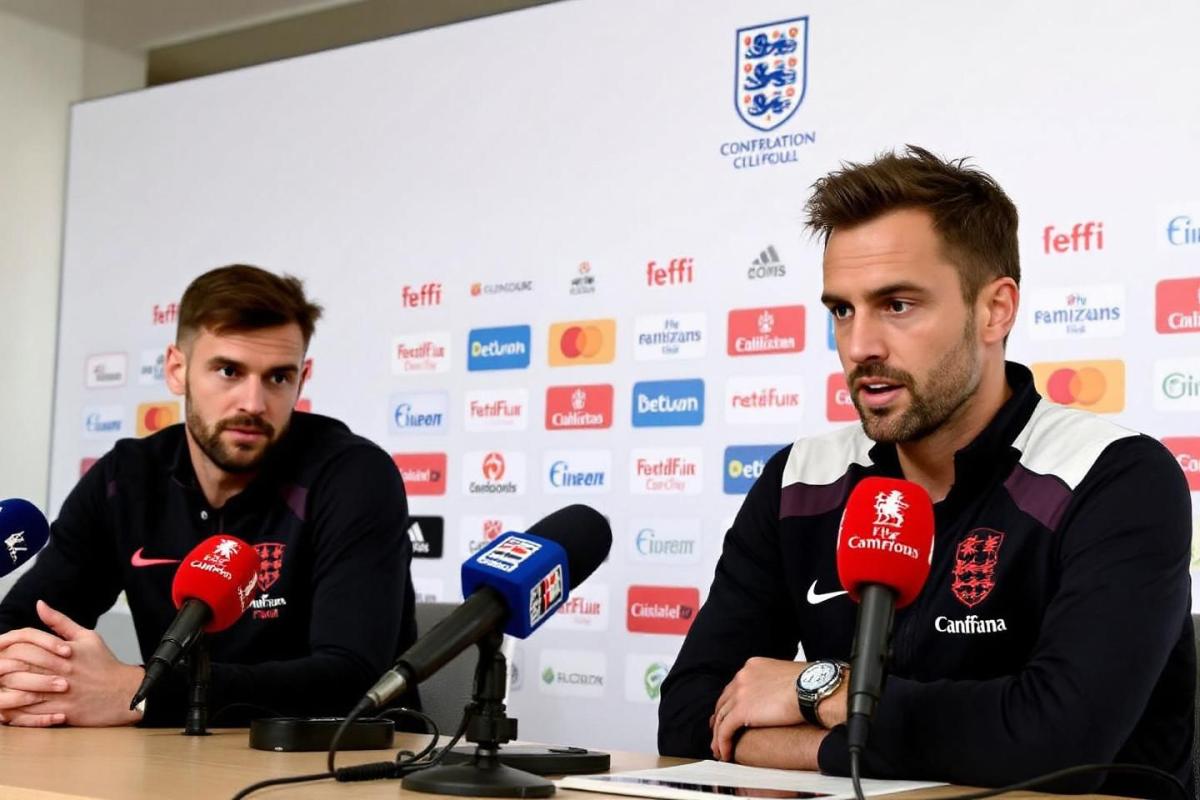
Thomas Tuchel held his latest press conference as England manager, addressing the return of key players Phil Foden and Jude Bellingham to the national squad. The German tactician provided extensive insights into his tactical plans and squad selection decisions ahead of upcoming fixtures, demonstrating his clear vision for England’s future.
Bellingham’s repositioning and tactical evolution
The England boss confirmed that Jude Bellingham returns as a number 10, marking a significant tactical shift for the Real Madrid midfielder. Tuchel emphasized that Bellingham sees himself in this central attacking role, where his natural instincts to find scoring positions can flourish. The manager praised Bellingham’s acceptance of previous decisions and his continued competition at the highest level with Real Madrid.
Bellingham’s hunger and determination to score represents exactly what Tuchel seeks from the number 10 position. His ability to drift into number 9 positions mirrors his successful performances for his club, where this movement has proven highly effective. The coach believes this tactical adjustment will maximize Bellingham’s impact for the national team.
Tuchel highlighted how Bellingham’s experience and maturity have grown since his last exclusion from the squad. The player’s response demonstrated his character and professionalism, qualities that convinced the manager to restore him to the central attacking role where he can influence games most effectively.
| Player | Previous Role | Current Role | Impact Expected |
|---|---|---|---|
| Jude Bellingham | Midfield | Number 10 | Goal scoring threat |
| Phil Foden | Winger | Central position | Creative playmaker |
Foden’s central role transformation
Equally significant is Tuchel’s declaration that he does not see Foden as a winger anymore. This represents a fundamental shift in how England will utilize the Manchester City star’s exceptional technical abilities. The manager’s decision reflects Foden’s development and his increasing effectiveness in central areas of the pitch.
This tactical evolution suggests Tuchel recognizes Foden’s creative intelligence thrives when he operates closer to goal. By moving him from wide positions into more central roles, England can benefit from his vision, passing range, and ability to unlock tight defensive structures. The change aligns with modern football trends where versatile attackers operate fluidly across the front line.
Foden’s adaptability makes him valuable in multiple scenarios that Tuchel outlined during his press conference. The manager mentioned him among several players capable of filling different attacking positions, including a potential fluid number nine role if circumstances require such flexibility.
Squad composition and strategic selections
The England manager provided detailed explanations for his squad choices, particularly addressing the inclusion of younger talents. Adam Wharton joins as a number 6, providing backup for Elliott Anderson, while Alex Scott secures his place as a number 8. These selections demonstrate Tuchel’s commitment to integrating promising young players into the senior setup.
Regarding notable omissions, Tuchel addressed concerns about striker depth by outlining alternative options. His approach involves utilizing players in multiple positions rather than relying on traditional number 9 profiles. The following players can operate as forwards when needed :
- Anthony Gordon – regularly plays centrally for Newcastle
- Marcus Rashford – experienced in central striking roles
- Phil Foden – capable of fluid movement across attacking positions
- Jude Bellingham – natural instinct to find goal-scoring positions
The manager specifically addressed Ollie Watkins’ absence, explaining it resulted from fitness concerns rather than form issues. Tuchel emphasized giving Watkins time to recover fully and return to optimal physical condition for future selection opportunities.
Future planning and contract considerations
When discussing his long-term commitment to England, Tuchel expressed genuine enthusiasm about his role. He described the experience as “a lot of fun” and indicated satisfaction with the team’s direction under his guidance. The manager acknowledged mutual happiness between himself and the Football Association regarding current progress.
However, Tuchel maintained focus on immediate challenges rather than contract negotiations. He emphasized the importance of proving himself continuously and suggested that contract discussions would happen at the appropriate time. His World Cup squad considerations remain fluid, with final decisions not expected until May.
The coach stressed keeping doors open for all players on his extended list of 55-60 candidates. He plans to reconnect with players during the March camp, recognizing that form, injuries, and club performances will influence final World Cup selections. This approach maintains competitive pressure while ensuring England selects players based on merit and current performance levels.
Tuchel’s measured approach to future planning reflects his understanding that football circumstances change rapidly. Young players can emerge, established stars can lose form, and injuries can reshape squad dynamics. His commitment to staying open-minded until final nominations demonstrates professional wisdom gained through extensive coaching experience at the highest levels of the game.

- England league-union hybrid match proposed for 2026 - October 16, 2026
- England league-union hybrid match proposed for 2026 - October 16, 2026
- Body found in Salisbury with no signs of foul play, police say - October 15, 2026

